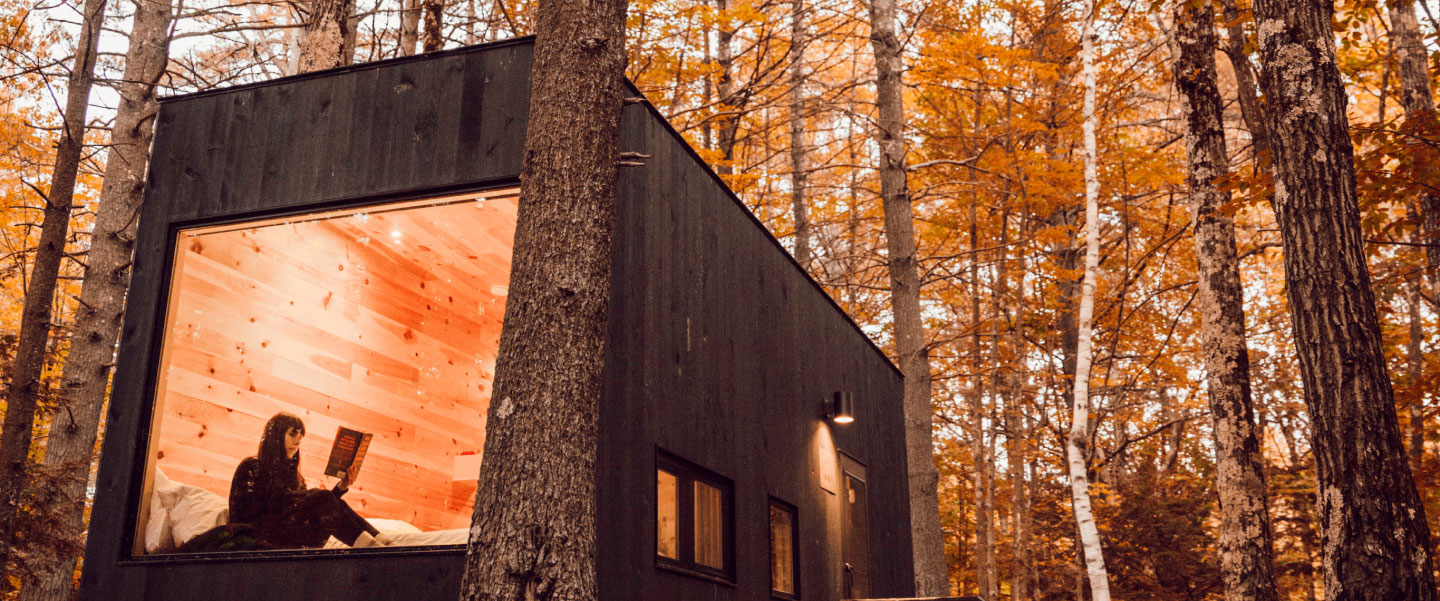
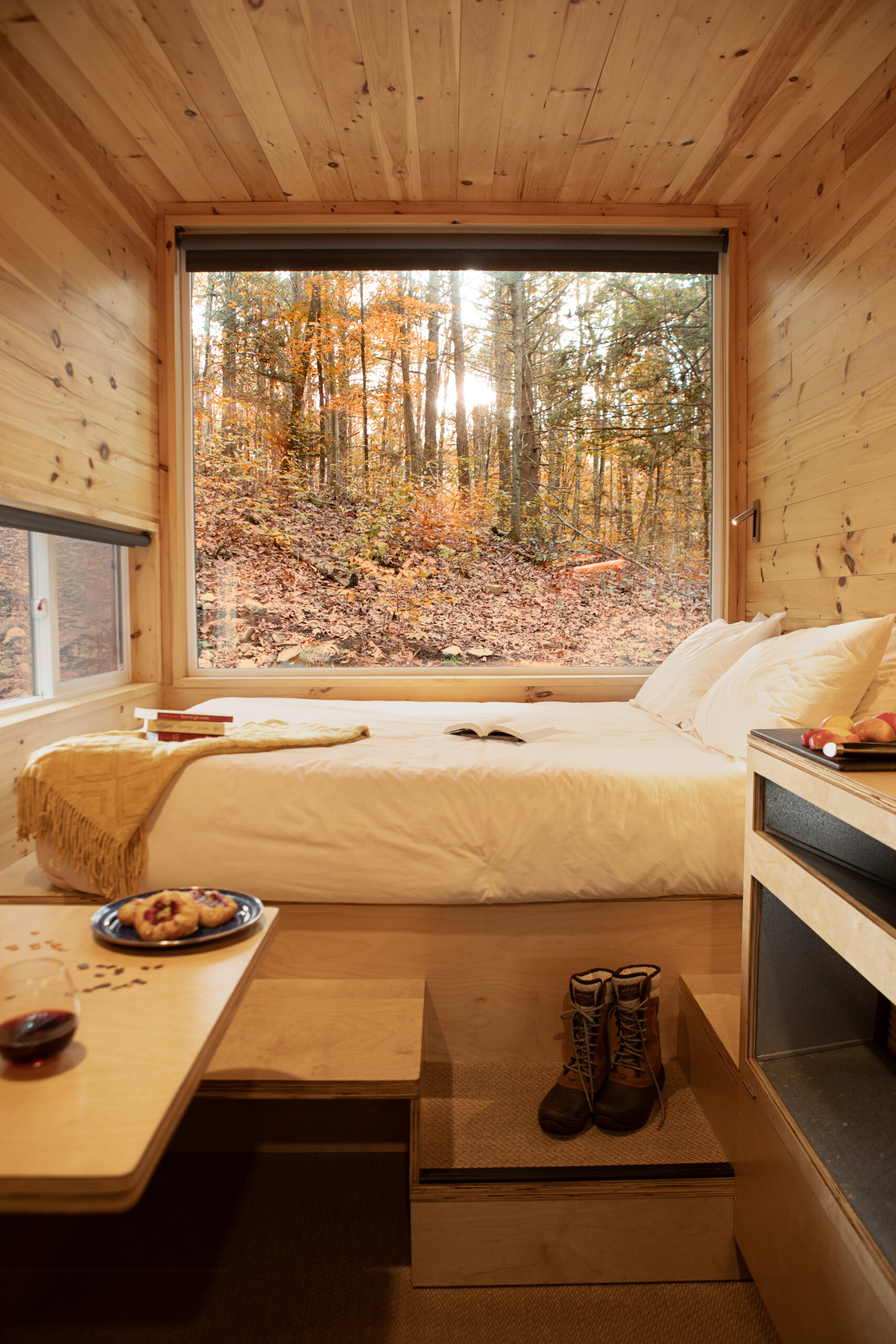
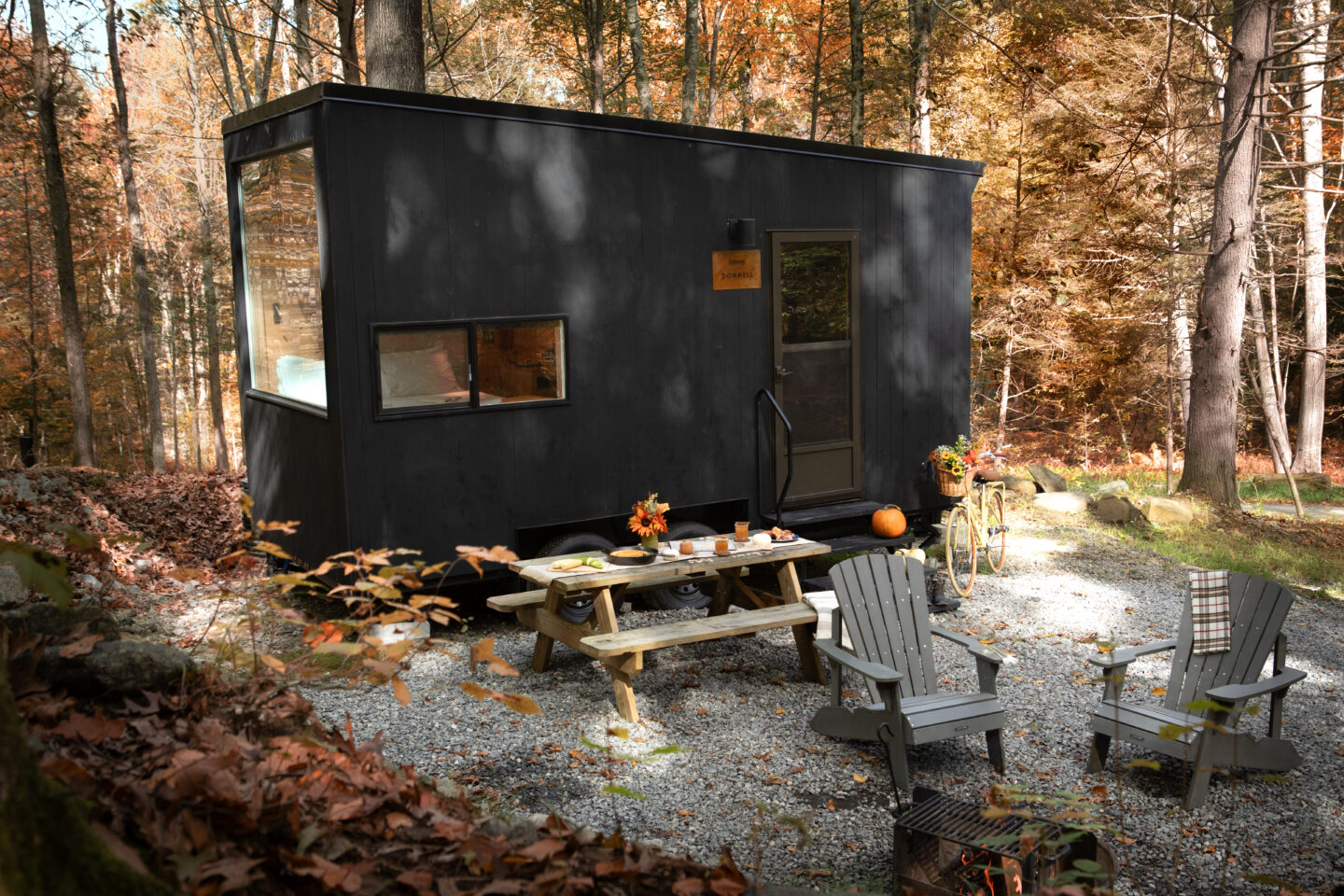
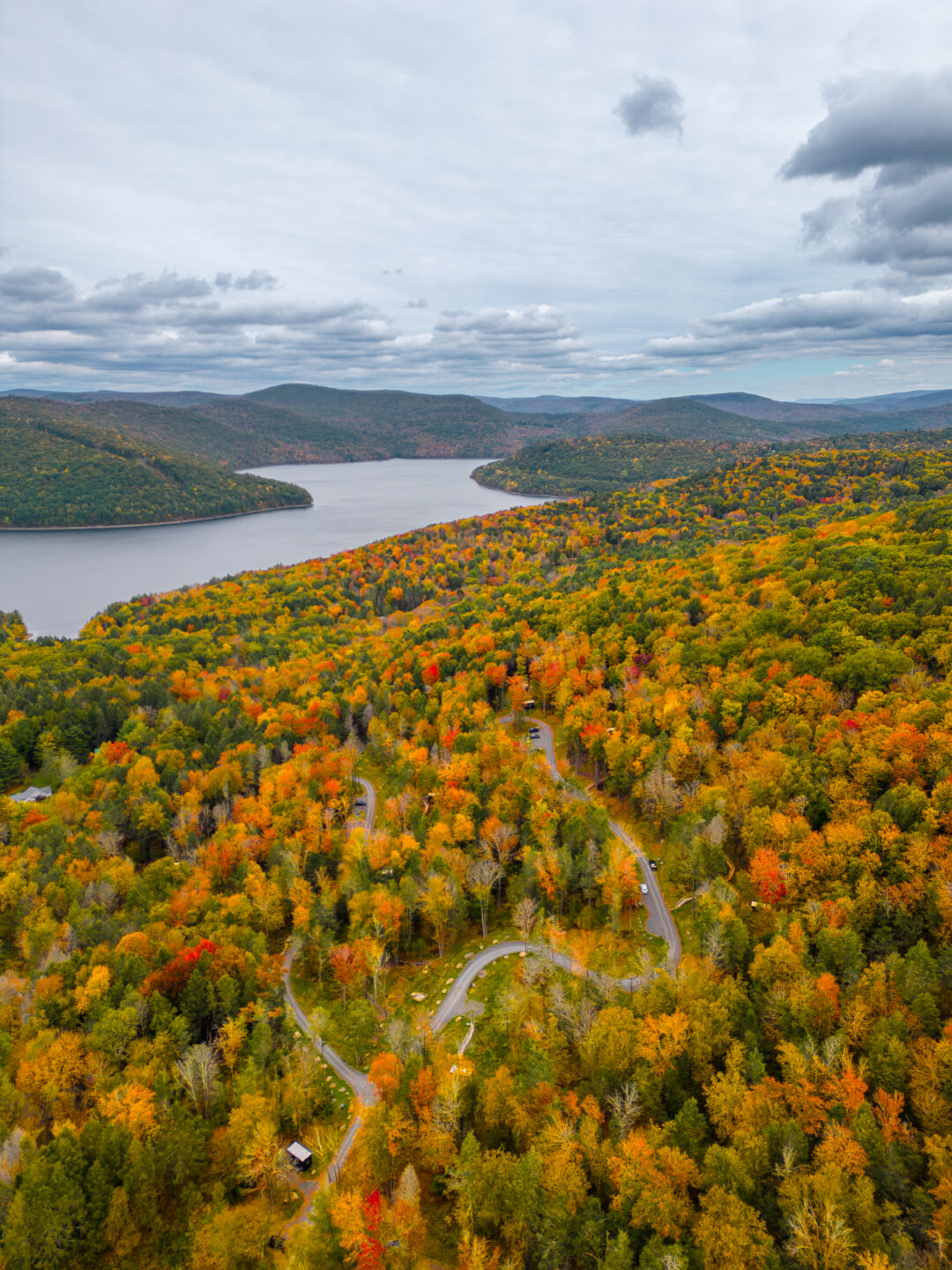
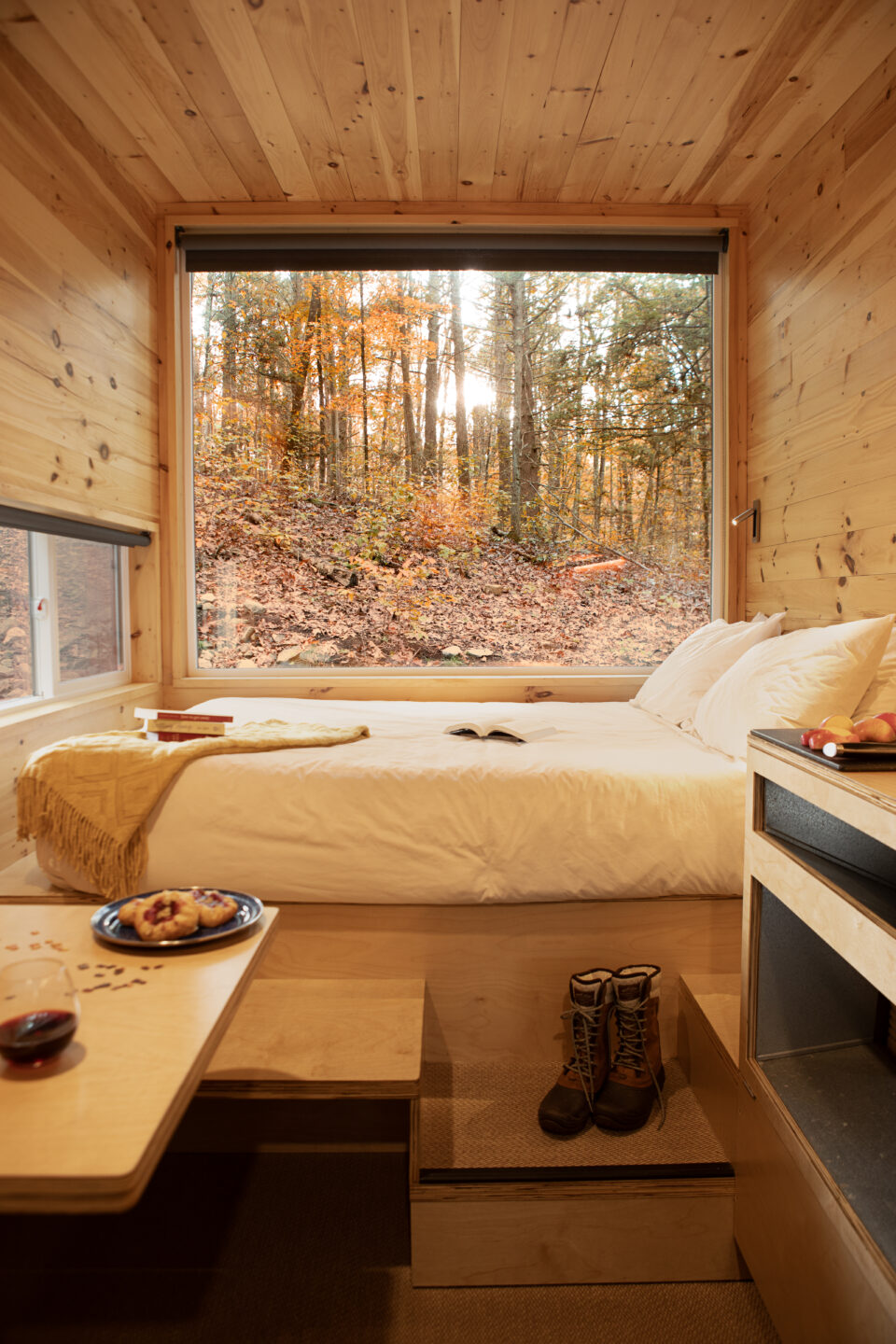
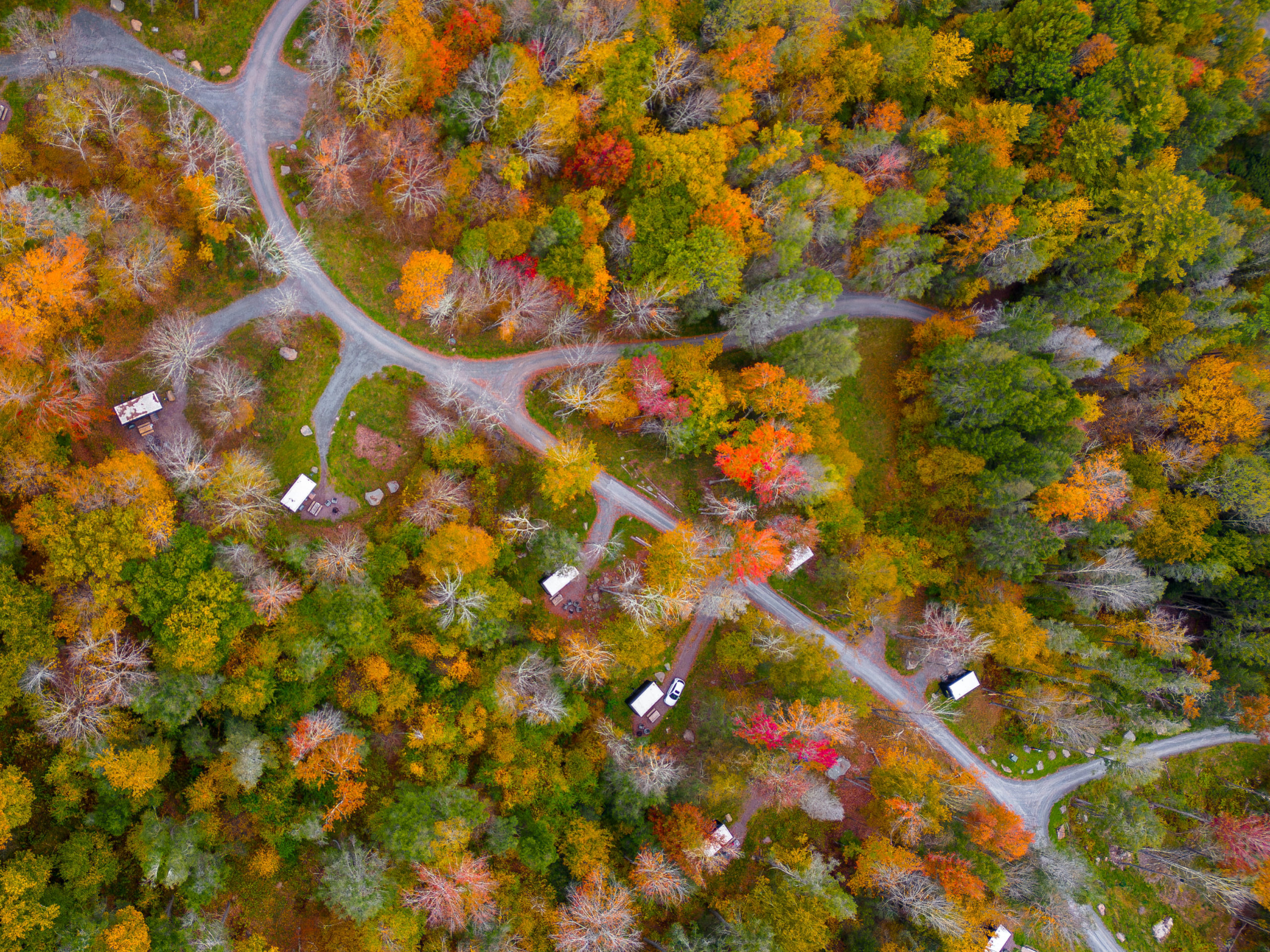
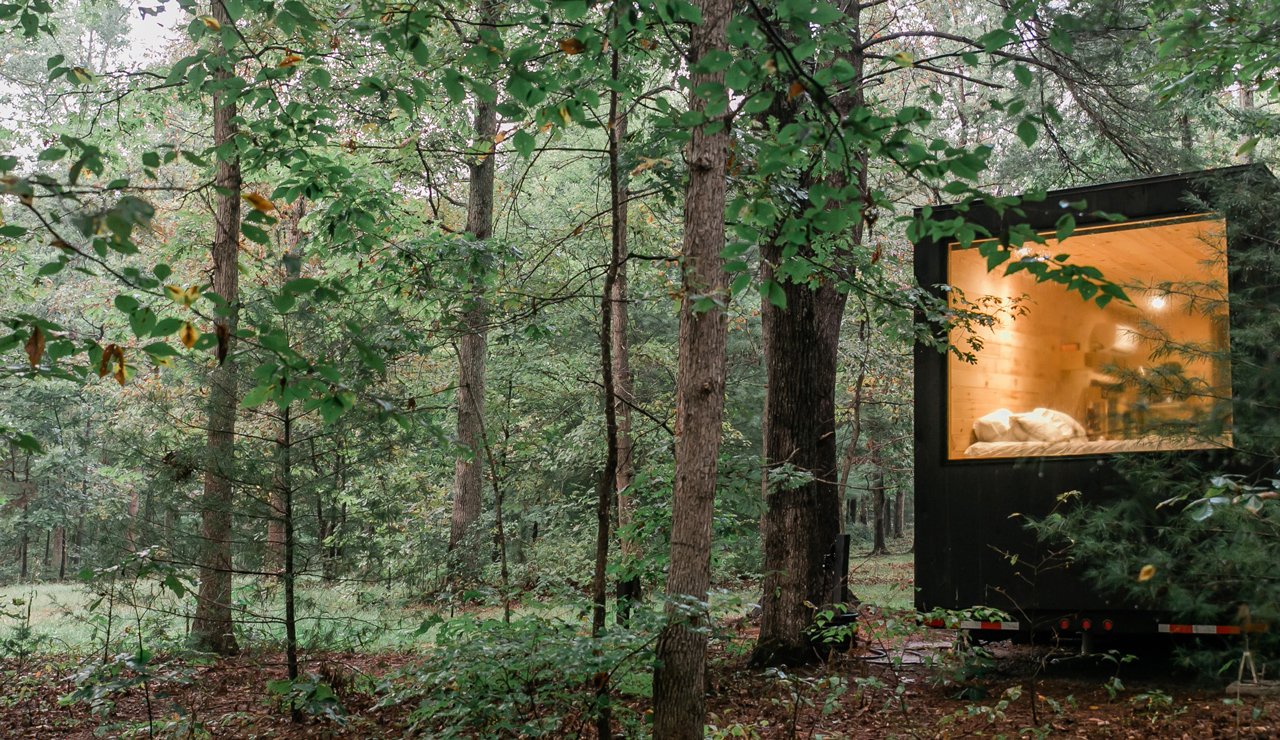
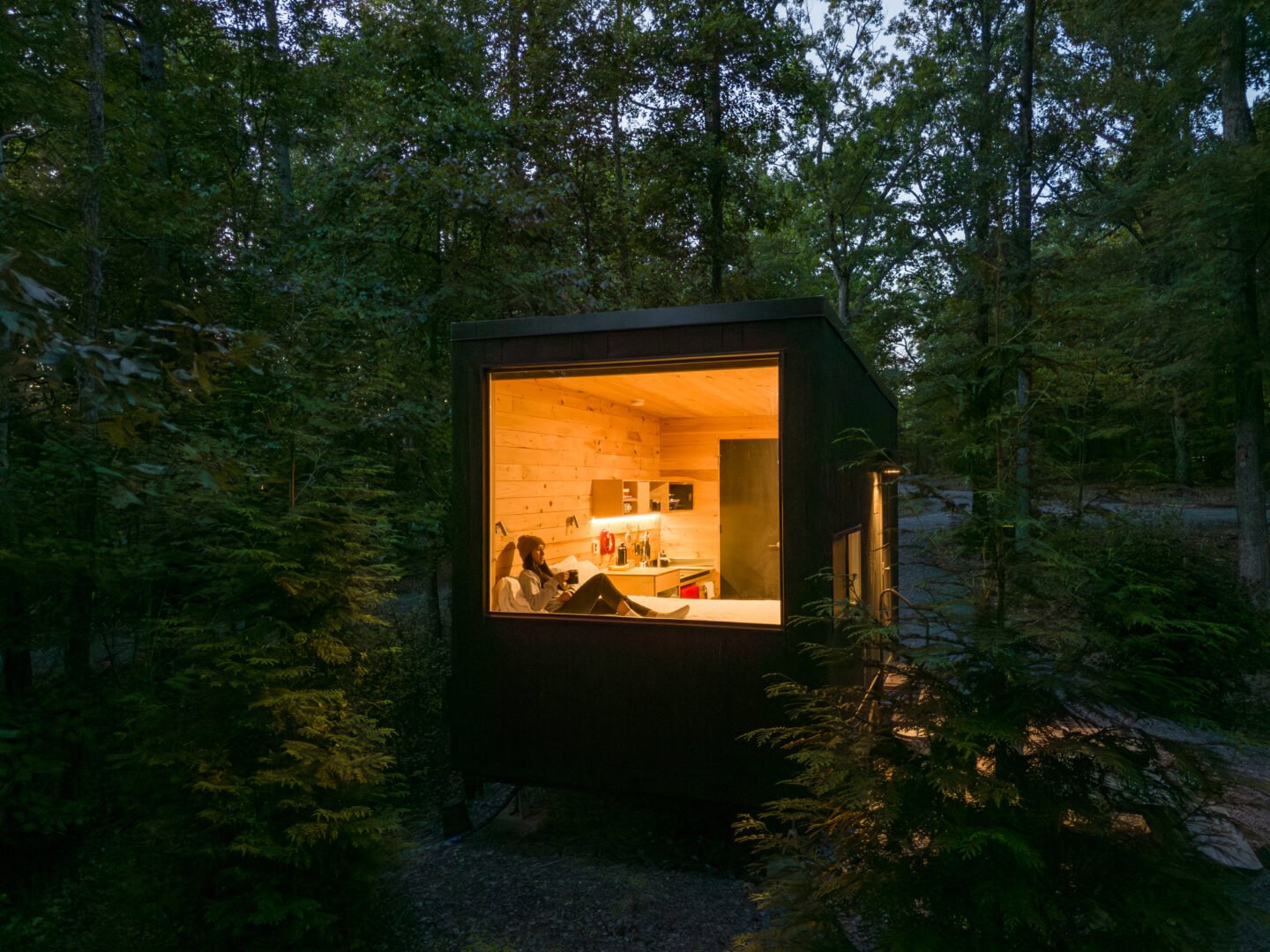
Now that the air is fresher than a U-pick honeycrisp, it’s the perfect time to escape the city and enjoy autumn in full swing. There isn’t much you should bring with you to your tiny cabin, we have most of the essentials – soap, shampoo, conditioner, cooking supplies, linens – covered for you. Still, there are a few things you should pack before your adventure to ensure you make the most of your time away.
Cozy Socks
Even if you can still see your breath in the early morning air, slipping on a pair of warm, thick socks is a surefire way to feel snug and at peace. At night, cozy socks are our must-have accessory for sitting around the fire.
All Weather Boots
If you have a hike in mind, or if you just want to wander about, we recommend bringing sturdy boots with good traction. The seasonal rain can make paths a bit muddy and unexpectedly slick. Getting a little messy is all part of the fun, but it’s still nice to come prepared.
Rain Gear
While rain is a delightful edition to a day hiding in bed, you don’t want a little drizzle getting in the way of your plans. A waterproof jacket and umbrella are the perfect pair to protect you from getting damp as you get lost in nature.
Something Flannel
We know, this one’s a bit much. But besides being the ubiquitous choice for fall attire, flannel is actually super practical. It’s warm, breathable, and quick drying – the perfect layer for erratic autumn weather. A plaid flannel is fall’s classic look for a reason, and we’re not going to apologize for wearing one under our chunky knits.
Sketchbook
We’re not here to pick favorites – every season is wonderful. But there is something undeniably special about watching the leaves change from the window of a cozy cabin. Sure, you could take a picture, but even just a quick scribble can be a relaxing and intentional way to remember your time offline.
Even if you’ve left one of these things at home, you’ll still have everything you need to enjoy your stay, assuming brought an open mind and a sense of adventure. And maybe a toothbrush. You’ll still want that.
Book your fall Getaway today to take advantage of this particularly tranquil time of year.
Planning your fall getaway to Postcard Cabins? Whether you’re chasing peak foliage, crisp hiking weather, or just some quiet time in the woods, a little planning goes a long way. From what to pack to how to time your trip, these 8 tips will help you make the most of the season’s magic. 🍂 For more on when and where the colors pop, check out Your Guide to Fall Foliage at Postcard Cabins: 2025 Edition.
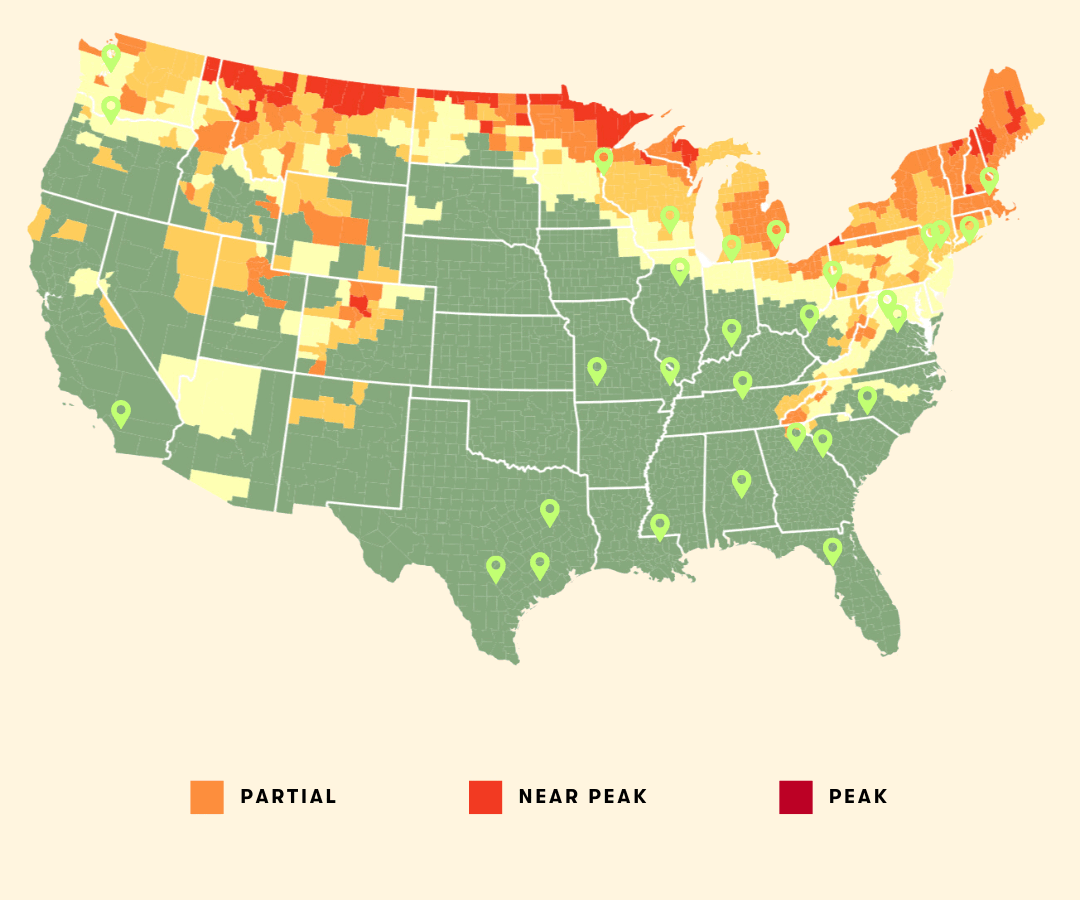
1. Time it right. We’ve estimated peak leaf peeping at Postcard Cabins, but it’s best to check real‑time projections from ExploreFall and AmericanForests as your trip nears. Some areas have foliage peaks that come and go quickly, while others linger and morph as the days get shorter and the fall chill sets in. Typically, a two-week window is a safe bet for catching peak leaf peeping.
2. Pack smart. Fall in the woods can mean sun-filled days and crisp, chilly nights. Bring layers—a warm jacket, hat, and gloves go a long way. Add hiking boots or trail shoes, a thermos for cider or coffee, and binoculars for wildlife or distant ridgelines.
3. Embrace the golden hour. Sunrise and sunset are some of the best times to take in the fall landscape. Plan a morning walk or an evening sit on the deck with a blanket to catch the light filtering through turning leaves.
4. Plan outdoor adventures. Trails are quieter in the fall, and the cooler temps make for great hiking conditions. Whether you’re into leaf peeping, birdwatching, or taking photos, this is the season to slow down and roam.
5. Unplug and unwind. Don’t overplan. Leave space for spontaneous picnics, afternoon naps, or reading by the fire. The fall rhythm here is unhurried—and that’s the whole point.
6. Bring the basics for cabin comfort. While our cabins are stocked with essentials, it’s nice to have your favorite cozy extras—like a flannel blanket, a good book, or a fall-scented candle. A headlamp or lantern is also handy for early sunsets and stargazing strolls.
7. Cook with the season. Stop by a local farm stand or market to pick up fall produce—think apples, squash, or cider. Roasting veggies over the fire or sipping warm drinks under the stars can make your stay feel even more grounded in the season.
8. Capture the moment. Bring a journal, disposable camera, or film your own quiet moment among the trees. Fall has a way of stirring reflection, and these slow memories are worth holding onto long after the leaves have fallen.
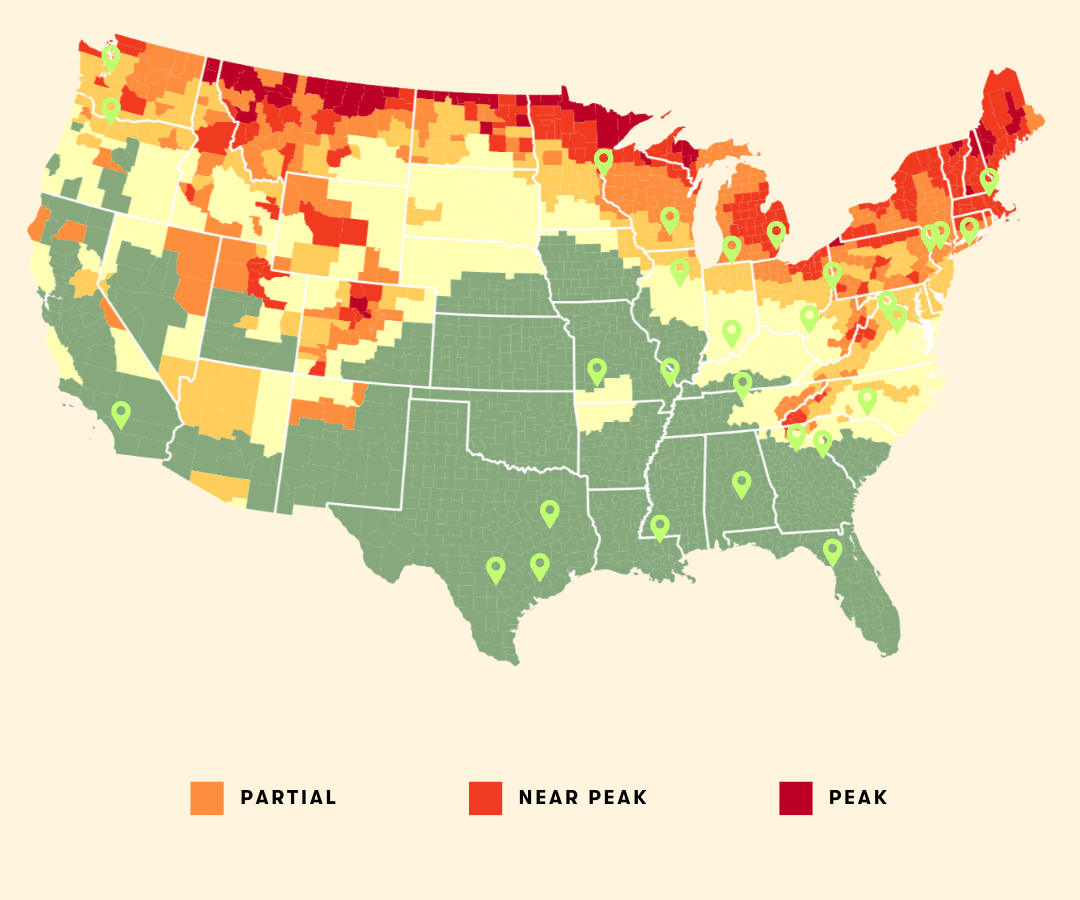
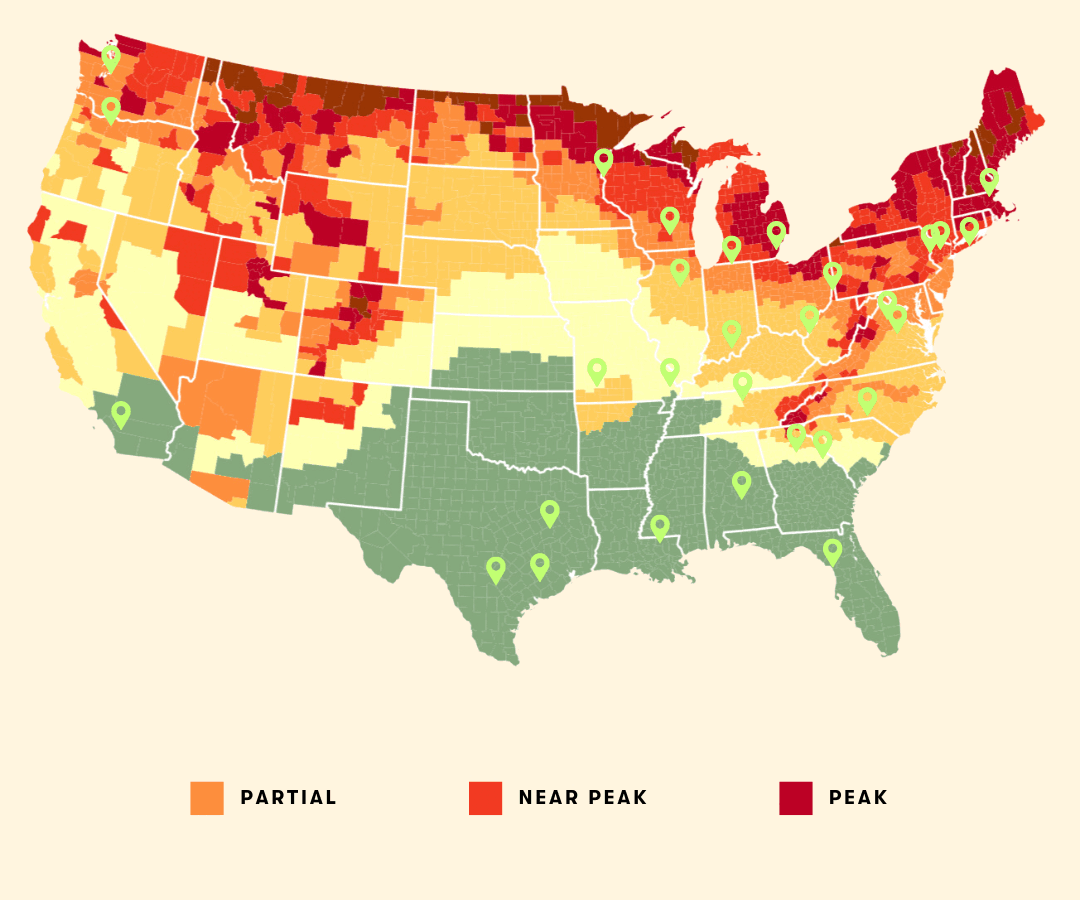
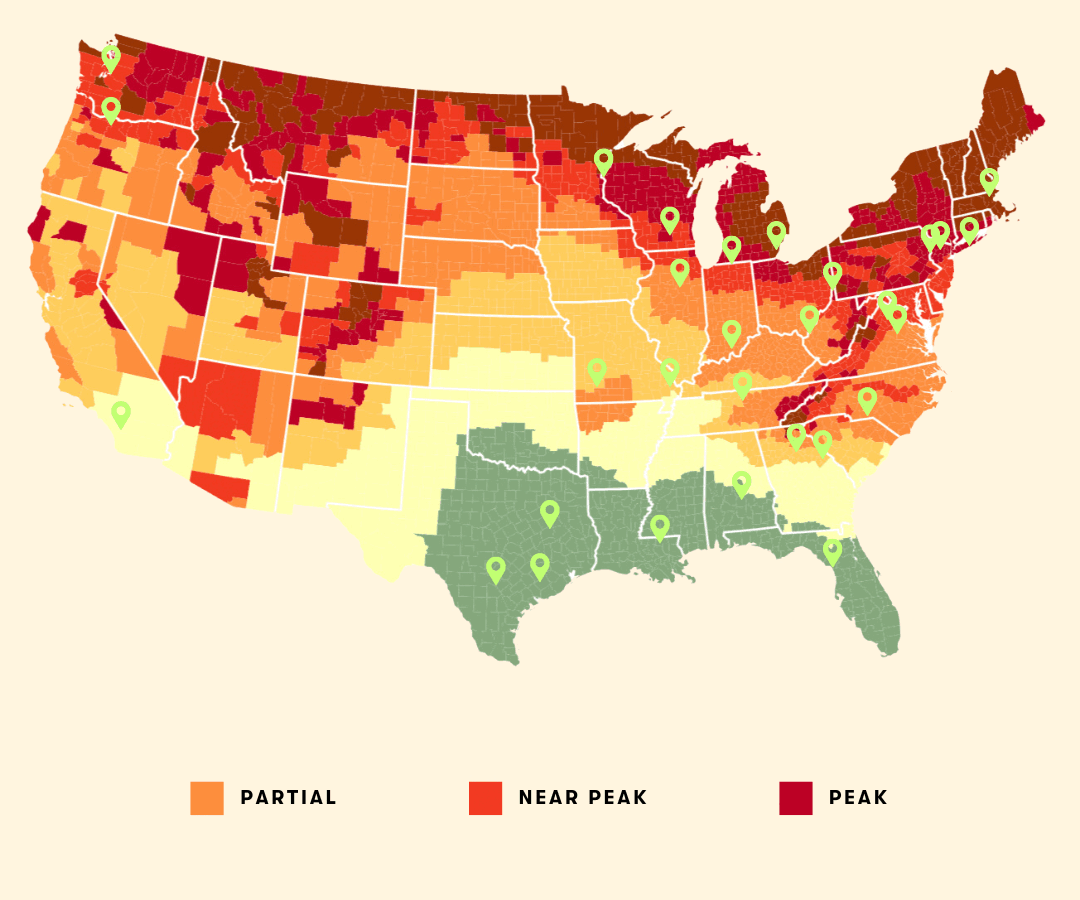
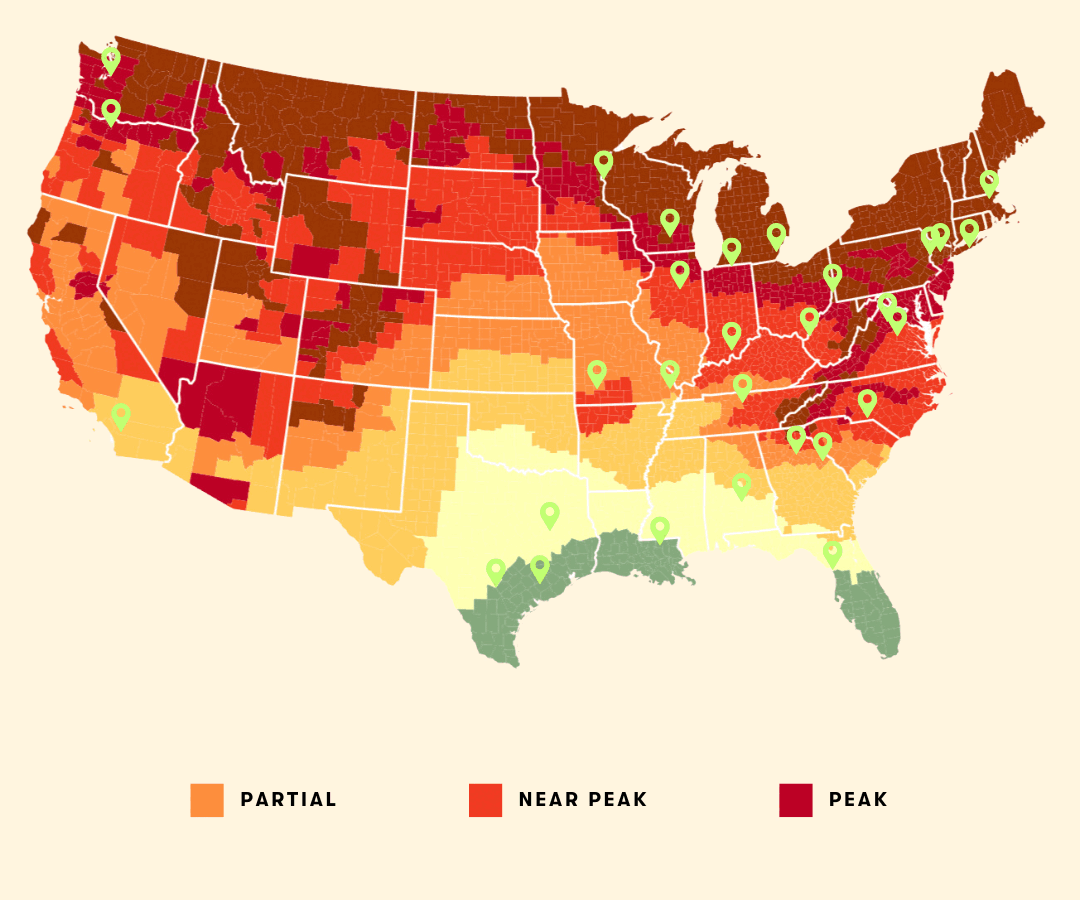
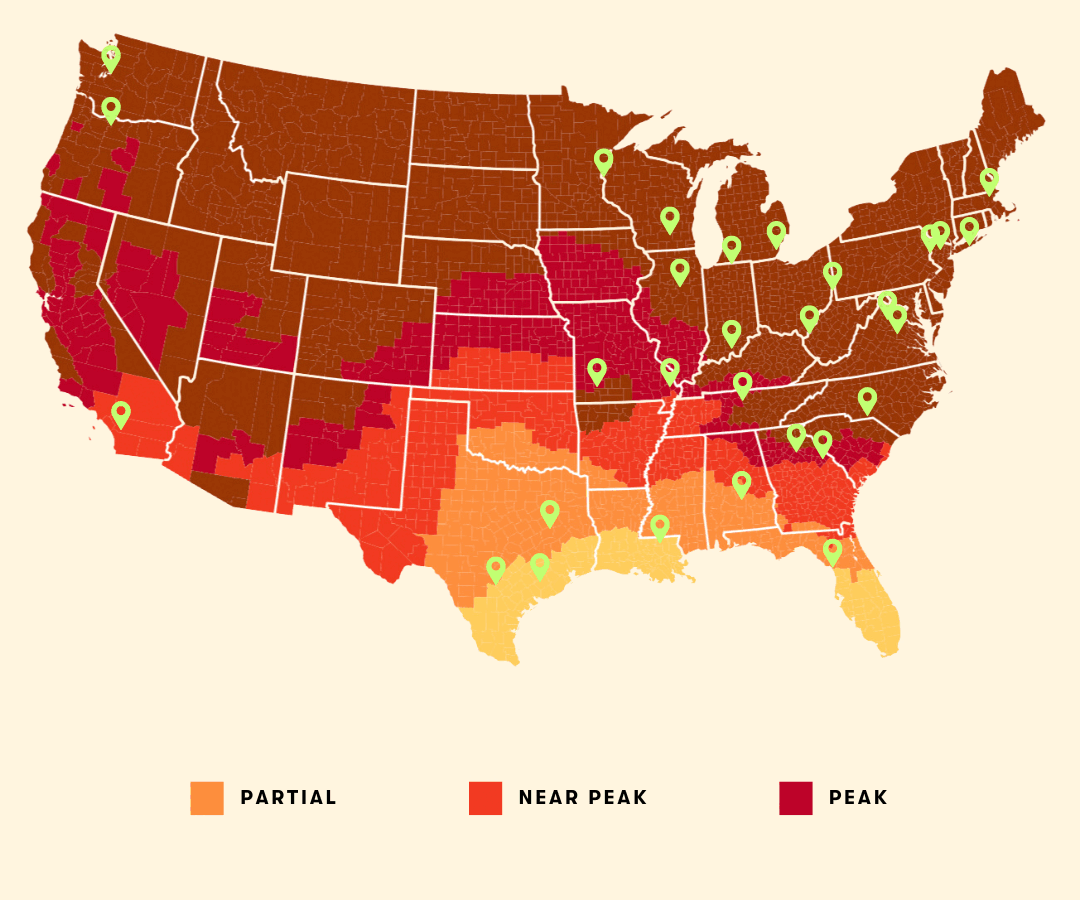
🍂 When Is Peak Fall Foliage?
Outpost
Change Starts
Peak Color
Blake Brook (NH)
Mid Sept
Late Sept–Early Oct
Kettle River (MN)
Mid Sept
Early–Mid Oct
Machimoodus (CT)
Late Sept
Early–Mid Oct
Eastern Catskills
Late Sept
Early–Mid Oct
Western Catskills
Late Sept
Early–Mid Oct
Mount Adams (WA)
Late Sept
Early Oct
Skagit Valley (WA)
Late Sept
Early–Mid Oct
Shenandoah & Shenandoah North (VA)
Late Sept
Mid Oct
Chattahoochee (GA)
Late Sept
Mid Oct
Barber Creek (MI)
Late Sept
Mid Oct
Starved Rock (IL), St. Francois (MO)
Late Sept
Mid Oct
Wild Rose (WI)
Late Sept
Mid Oct
Hocking Hills (OH)
Late Sept
Mid Oct
The Thumb (MI)
Late Sept
Mid Oct
Ozark Highlands (MO)
Early Oct
Mid Oct
Beaver Creek (OH)
Late Sept
Mid–Late Oct
Dale Hollow (TN), Talladega (AL)
Early Oct
Mid–Late Oct
Asheboro (NC)
Mid Oct
Late Oct
Homochitto (MS)
Mid Oct
Late Oct
Big Bear (CA)
Late Oct
Late Oct–Early Nov
Piney Woods, Hill Country, Brazos Valley (TX)
Late Oct
Early–Mid Nov
Lake Hartwell (SC)
Late Oct
Early Nov
Gilchrist Springs (FL)
Early Nov
Mid–Late Nov
Make the most of fall with a Postcard-perfect escape.
With just a bit of prep—from packing layers to timing your trip around peak foliage—you can enjoy everything autumn has to offer at our forest-filled locations. Whether you’re sipping cider under the stars, hiking through golden woods, or simply slowing down beside the fire, fall at Postcard Cabins is a season worth savoring. 🍁 Book Your Fall Escape
As summer wanes and the air turns crisp, the forests surrounding Postcard Cabins begin their vibrant transformation. From golden aspens in the West to crimson maples in the Northeast, fall brings a unique color show to each outpost. Here’s your Fall Foliage Guide for 2025—when you can expect the leaves to begin turning and when they typically reach their peak at each location—organized by region with insights into the local forest flavor. So, mark your calendar and make plans to get outside and enjoy the natural beauty of the season.
NORTHEAST
Field Guide: Autumn in the Northeast is a full-spectrum spectacle—fiery reds, electric oranges, and golden yellows stretch across hardwood-covered hills. Crisp air and early frosts trigger an especially vivid transformation. Sugar maple dominates with its kaleidoscope of color, joined by scarlet oak, birch, and beech, lighting up the forests from Maine to New York.
Blake Brook, NH Epsom, NH Change begins: Mid-September Peak color: Late September to early October The surrounding White Mountain forests are rich with red maples and birch. Look for early high-elevation color and sweeping mountain vistas.
Machimoodus, CT Moodus, CT Change begins: Late September Peak color: Early to mid-October Maple forests offer a fiery display of red, orange, and gold, with river valleys adding birch and hickory highlights.
Eastern Catskills, NY Catskill, NY Change begins: Late September Peak color: Early to mid-October Classic Catskills foliage dominated by sugar maple, red oak, and birch. A dramatic mix of red and orange with golden bursts.
Western Catskills, NY Roscoe, NY Change begins: Late September Peak color: Early to mid-October Nestled in the western peaks, these forests mirror their eastern counterpart in hue and intensity.
MIDWEST
Field Guide: The Midwest transforms into a patchwork quilt of color by mid-fall. Towering oaks, sugar maples, and shagbark hickories blaze in gold, orange, and crimson, stretching across plains, prairies, and lakeshores. From Michigan’s Upper Peninsula to the rolling hills of Missouri, fall here is both bold and nostalgic.
Beaver Creek, OH Lisbon, OH Change begins: Late September Peak color: Mid to late October Rolling hills of maple and oak turn warm gold with flashes of crimson.
Hocking Hills, OH Nelsonville, OH Change begins: Late September Peak color: Mid-October Vibrant hardwoods fill forested ravines and frame waterfalls with rich color.
Brown County, IN Columbus, IN Change begins: Late September Peak color: Mid-October Oak-hickory forests paint the landscape orange and gold, with scenic drives throughout.
Starved Rock, IL Ottawa, IL Change begins: Late September Peak color: Mid-October Riverside forests glow with a patchwork of yellow, orange, and red.
St. Francois, MO Bloomsdale, MO Change begins: Late September Peak color: Mid-October Classic Midwestern hues span from ochre to deep burgundy in this quiet forested escape.
Ozark Highlands, MO Osceola, MO Change begins: Early October Peak color: Mid October Look for fiery ridgelines of maple, oak, and hickory in brilliant gold and crimson. The rugged terrain adds drama to every turn of the trail.
The Thumb, MI Columbiaville, MI Change begins: Late September Peak color: Mid-October Expect lakeside golds and bright maple reds in the heart of Michigan’s countryside.
Barber Creek, MI Grand Junction, MI Change begins: Late September Peak color: Mid-October Maple and oak stands reflect vividly across peaceful lakes and wetland areas.
Wild Rose, WI Wild Rose, WI Change begins: Late September Peak color: Mid-October Northern hardwoods put on a spectacular display of gold, orange, and deep scarlet.
Kettle River, MN Willow River, MN Change begins: Mid-September Peak color: Late September to early October One of the earliest peak sites, filled with birch, maple, and aspen in bold hues.
PACIFIC WEST & NORTHWEST
Field Guide: In the Pacific, fall foliage comes with a cool mist and dramatic light. While conifers dominate, high-elevation valleys and ridges surprise with aspens, larches, and maples that glow gold, orange, and red in the crisp fall air. Look for glowing creek beds, fog-laced forests, and golden corridors through cedar and fir.
Mount Adams, WA Glenwood, WA Change begins: Late September Peak color: Early October Look for golden larch and yellowing maples against the backdrop of volcanic peaks.
Skagit Valley, WA Mount Vernon, WA Change begins: Early October Peak color: Mid-October Bigleaf maples and alder trees add splashes of color to evergreen foothills.
Big Bear, CA Running Springs, CA Change begins: Late October Peak color: Late October to early November High-elevation oak and aspen groves turn gold and orange above the San Bernardino mountains.
MID-ATLANTIC
Field Guide: In the Mid Atlantic, fall color unfolds gradually, brushing ridges and valleys with amber, russet, and maroon. From the Alleghenies to the Blue Ridge, forests of red maple, sassafras, hickory, and tulip poplar create a rich, layered mosaic. These forests offer some of the most accessible autumn displays—perfect for a weekend drive or a trailside picnic.
Shenandoah, VA Stanardsville, VA Change begins: Late September Peak color: Mid-October Oak-heavy slopes glow gold and orange; scattered red maples offer vibrant pops at higher elevations.
Shenandoah North, VA Basye, VA Change begins: Late September Peak color: Mid-October Diverse hardwood forests give way to sweeping ridge lines of red, gold, and russet.
Asheboro, NC Asheboro, NC Change begins: Mid-October Peak color: Late October Oak and poplar dominate here, offering golden yellows with hints of soft red in river hollows.
SOUTHEAST
Field Guide: As the season shifts in the Southeast, deciduous trees tucked among evergreens begin to glow with soft oranges, mellow golds, and occasional bursts of crimson. Expect a slower, more staggered change—from the higher elevations of the Blue Ridge Mountains, down into the Cumberland Plateau and Piedmont. Oak, hickory, and sweetgum trees offer gold, brown, and orange tones. Higher elevations hide bursts of red maple and scarlet oak.
Chattahoochee, GA Suches, GA Change begins: Late September Peak color: Mid to late October Mountain terrain and cooler temps support vibrant golds and occasional reds at higher elevation.
Talladega Valley, AL Childersburg, AL Change begins: Early October Peak color: Mid to late October Warm autumn hues sweep across rolling oak forests, especially along streams and hillsides.
Dale Hollow, TN Celina, TN Change begins: Early October Peak color: Mid to late October A blend of oak and hickory fills the valleys with rich gold and amber tones, best seen on the water.
Lake Hartwell, SC Seneca, SC Change begins: Late October Peak color: Early November Expect subtle golds and orange along the shoreline, with brighter colors in the higher foothills nearby.
GULF STATES
Field Guide: In the forests stretching from East Texas through southern Mississippi, and into northern Florida, fall arrives with a gentler touch. Here, color shifts are quieter—think honeyed golds, soft rusts, and the warm greens of pine that linger late into the season. These landscapes feel slower, softer, and made for unhurried walks under a wide southern sky. Look for the copper tones of southern red oak, the buttery yellows of mockernut hickory, flashes of red from black gum, and the steady presence of loblolly, longleaf, and shortleaf pines.
Piney Woods, TX LaRue, TX Change begins: Late October Peak color: Early to mid-November Oak and gum trees offer golden light and bronze backdrops.
Hill Country, TX Wimberley, TX Change begins: Late October Peak color: Early to mid-November Hidden maples light up the canyons, framed by golden elm and ash.
Brazos Valley, TX Navasota, TX Change begins: Late October Peak color: Early to mid-November Warm yellow tones dominate lowland forests and open pastures.
Gilchrist Springs, FL High Springs, FL Change begins: Early November Peak color: Mid to late November Red maple (also called swamp maple), hickory, and gum trees turn soft amber and yellow amid limestone springs.
Homochitto, MS Meadville, MS Change begins: Mid October Peak color: Late October Expect subtle swaths of maroon, bronze, and gold from oak and sweetgum, framed by tall pines and quiet, meandering paths.
Ready to plan your fall escape?
No matter which corner of the country you’re headed—whether it’s the blazing reds of New England, the golden larches of the Pacific Northwest, or the slow-burning hues of the Gulf States—there’s a Postcard Cabin waiting to welcome you to the season’s show. Fall is one of the most breathtaking times to reconnect with nature, unwind by the fire, and witness the quiet beauty of changing leaves
We recently sat down with one of our friends, Meg He, co-founder of ADAY. They consciously design capsule styles to be as versatile as possible with a sustainable supply chain in high-tech innovative fabrics.
Their aesthetic is all about clothing designed for simplicity. Yet, as many entrepreneurs and people know, it’s far easier to talk about simplifying and balance than actually strip away to the basics to have a healthy work-life balance.
We caught up with Meg, who recently visited one of our cabins, and chatted about deleting Facebook, her puppy German shepherd, learning, and deep work.
Tell us your story. I was born in Beijing, then lived in Wales (lots of sheep), to Berkshire (one hour west of London), Oxford (college), London, Stanford (Business school), then landed in New York after starting ADAY with my co-founder, Nina Faulhaber. Our clothing is beautiful and cool and you can do a lot of things/anything you want in them. It’s created to bring simplicity and versatility to your wardrobe.
My background is in venture capital, finance, and technology—I used to work at Poshmark, a mobile fashion marketplace, and I’ve always been fascinated by brands and e-commerce.
I loved living in northern California and when I moved back to London, I went with a road bike, my yoga teacher training, and my rock climbing harness. This time was transformative especially since I’d spent almost no time in the outdoors or being active until then. It also raised the question for ADAY: what does a wardrobe that brings versatility and simplicity look like?
What occupies most of your time during the day? How can we raise the quality and the standard of the apparel industry? How can we create delight when a customer interacts with ADAY? How can we make people’s lives easier, while having a deeper impact? How can ADAY be a force of good in the world?
I aim to create (mostly for myself), teach (the people around me) and inspire (to spread the word). I think about how I can have the most impact and, like ADAY, aim to be a force of good in the world. And I always hope to learn and grow every day.
What occupies most of your time during the weekend? The aims above (create, teach, inspire) are how I try to reframe life.
I love to explore the outdoors and learn something about the world and myself each time I’m outdoors. I love the Catskills, Yosemite, and the Julian Alps. I love music and play the piano, violin, sing and I’m learning the doumbek, a Middle Eastern drum. I also love plants and we have nearly 100 plants in the crevices of our apartment, from indoor ones to herbs and vegetables. I think I’ve overused the word love but that’s okay. It’s important to love, to try things new, and to help others and the world.
What do you wish you had more time to do? Learning and deep work. It’s so intellectually satisfying, enriching and interesting and that’s how I hope to frame my days, by growing every day.
What do you wish you did less of? Distracting others. Empathy is something that does not come easily to me and it hurts when I’ve missed a cue from others.
What is your favorite non-digital activity? Spending time with my rescue pup (Helix) and my partner (Gene), preferably outside. Helix is a 5-month-old German Shepherd mix and Gene is a professional dancer and martial arts practitioner and teacher. Seeing Helix learn to move and play and fight and run and hike with Gene’s influence has been magical. Even a short walk outside can often feel transformative and I always wonder how to approach life from Helix’s perspective.
I dislike my relationship with Instagram, but we are too involved with each other to break free.
What is your favorite tech or app that helps you balance your life? Google Home—we have one in each room and they’re magical. Sleep Cycle—I snore cute. Trello—for complicated projects. Clue—because I would never remember which day is what otherwise when the doctor asks. The new Google Inbox. Deleting Facebook.
I dislike my relationship with Instagram, but we are too involved with each other to break free.
If you could have a day off to spend anywhere with anyone, what would you do? I would go to Paris with Daniel Kahneman, the Nobel prize-winning economist-psychologist. I would persuade him to work on an intro to a book or a short post. His work is deeply impactful and I think it’s important to help enable better decision making. Paris because it’s the perfect balance of work and play for two international folks like him and me.
What would you pack in a suitcase if you had to live with only those items for the rest of your life? Just my passport. I would busk, negotiate and hopefully charm for the rest.
What do you think you’d be doing in a world without technology? I would live in a cabin in the forest with my dog and create art, make music and tell stories. We’d hike and hike and hike and hike every day (and swim). Perhaps my partner would be allowed to come along. The end 🙂
Who are your favorite writers? Ian McEwan, Kazuo Ishiguro, Haruki Murakami and I’m lately loving non-fiction in psychology, neuroscience and behavioral economics. David Richo is someone you should read now, pls.
When and where are you happiest? When I’m not thinking. Instead, I try to “be” because overthinking is kinda dangerous.
How do you create balance in your life? If I don’t want to do something, I just don’t. This helps a lot. I also try to keep things boring, because I have a natural gravitation towards the risky-spontaneous-adventurous. They’re good too, just in balance.
Which living person do you most admire? There is not one person in particular that I admire, but I can genuinely bring up something I love about everyone. For example, when I think of my friend Cyrena, I think of her blonde hair (really helped conquer my fear of Asian bleach), adventure and badassery. So instead, I ask myself: what can I learn from every person I meet?
Much has been made lately of the great pleasure of eliminating extraneous things from our lives. In the wake of the Netflix miniseries Tidying Up, Instagram was overflowing with posts about the dazzling transformation people experienced by following Marie Kondo’s method of simplifying their possessions to only those things that bring them joy. Just search #kondo or #tidyingup, and you’ll find tens of thousands of posts, both inspirational and aspirational.
The popularity of this trend makes intuitive sense. I mean, who wouldn’t want more joy?
Essentialism at Postcard Cabins
We started Postcard Cabins to help people experience the pleasure of existing unencumbered and in the moment. So our philosophy shares some DNA with the burgeoning minimalism movement. But there are also some pretty big differences. Namely, how we think about joy. In our view, joy isn’t something to be individually achieved—the reward of a well-organized life—but something to be continuously and collectively cultivated.
Earlier this year, our founder Jon gave a speech at an annual conference of the National Retail Federation that explored how we see Postcard Cabins in relation to the current trend of minimalism. Moreover, he explored why what we’re offering is actually a better option; we are providing what people might really be seeking when they take that first step toward simplifying their lives.
Postcard Cabins is about stripping away distractions and focusing on what really matters to you. It’s taking the central thesis of minimalism—you don’t really need all this stuff—and asking then next obvious question: what do you need to live a truly balanced life?
So we try to provide a few things we think we all need. The first is an opportunity to experience the restorative power of nature—to calm us, to inspire us, to force us to slow down, and to expand our perspective. The second is the time to nurture our relationships—with ourselves and with our loved ones. And the last is the luxury of experiences unmediated by technology.
If you’ve been close to startup culture over the past decade or so, you’ve probably heard people use the word “disrupt” as a positive—disrupting an outdated industry or product. But we think of it in the more traditional, troublesome sense. Sure, technology powers our progress. But it also distracts us—pulling us away from things that may feel less urgent but are ultimately more important.
So at Postcard Cabins, we ask you to lock away your phone, and we encourage you to explore the world around you, and the ideas and feelings and relationships that matter to you.
Why Essentialism Matters
There’s a connection here to what all those minimalists are prescribing, a call to judge the things you own not by what they’re worth, but what they’re worth to you. But the focus with minimalism is still always on our things, or lack thereof—not on the people, the places, the memories, and the feelings that enrich us.
Those kinds of experiences can’t be entirely engineered. They’re personal and unpredictable. There’s no right way to do them. They’re also forgiving. Ask any new parent what their volume of “stuff” looks like, and you’ll quickly run up against the limits of minimalism. It can be useful to think intentionally about the things you own, but we don’t think you need to swear off creature comforts and embrace asceticism to find balance. In fact, we believe the only way to feel truly free and at ease is to have all the essentials—everything you need, nothing you don’t—taken care of. We all need stuff. But we also don’t need to dwell too hard on it.
Because we know our things are never really what makes our lives memorable and meaningful. It’s those early morning sunrises. Those quiet cups of coffee. Those late night talks. Those bursts of creativity that lead us in totally new directions. Those things that we do, and the people we do them with—that’s what we’ll remember a decade down the line.
This growing trend of centering our possessions—even in their absence— over our relationships is the antithesis of what Postcard Cabins is all about. So you’ll never catch us encouraging you to ruthlessly discard or needlessly sentimentalize your stuff. Because we’ve learned that what people really want is what we’re offering: unstructured time in a natural environment that already has everything you need, and nothing you don’t.
As summer stretches into its final chapter and August brings the first hints of fall, many of us feel the gentle pull toward routine. Kids head back to school. College students pack up for a new semester. Calendars fill with meetings and obligations. It’s a seasonal shift that naturally invites reflection—and an ideal time to reset.
In nature, the turning of the seasons is a quiet but powerful reminder: change is constant, and simplicity often brings clarity. When you spend time outdoors—whether it’s a long weekend at a cabin or a simple morning walk—you begin to notice how little you need to feel grounded. The distractions fade. The noise softens. And in that stillness, there’s space to reconnect with yourself.
1. Clear the Physical Clutter
Start with your space. Whether it’s your kitchen counters, a dorm room, or your home office—removing the visual noise brings immediate calm. Keep only what’s useful, meaningful, or beautiful. Donate the rest.
2. Digitally Declutter
Give your tech life a fresh start. Archive or delete old emails, unsubscribe from newsletters you don’t read, and clean up your desktop. Consider using the “inbox zero” method or setting email boundaries to reduce stress.
3. Simplify Your Calendar
Take a hard look at your commitments. Are there standing meetings that could be shortened—or canceled altogether? Protect white space on your calendar for creative thinking, movement, or simply breathing room.
4. Create Grounding Rituals
Establish simple, consistent routines that help anchor you during busy days. This could be a morning walk, screen-free family dinners, or a Sunday reset ritual. Let nature be your guide—rhythmic, intentional, and restorative.
5. Involve the Kids
Back-to-school season can be hectic, but also a great opportunity to get the whole family involved in simplifying. Set up a shared family calendar, streamline lunch routines, and declutter kids’ rooms with their input.
6. Make Your Space Reflect Nature
Bring the calming power of the outdoors inside. Use natural materials, warm lighting, and minimal design to create a space that helps you feel grounded and focused. A clutter-free space makes transitions smoother—especially for college students or remote workers.
7. Take Time Away to Reset
Even a short getaway to nature can spark big shifts in mindset. At Postcard Cabins, guests often find that stepping into a quiet, unplugged space helps them tune into what really matters—and tune out the rest.
8. Reflect and Recommit
As summer fades and fall approaches, carve out time to ask: What feels essential? What can I release? Let the changing seasons remind you that it’s okay—and often necessary—to start fresh.
Let Nature Be Your Guide
At Postcard Cabins, we believe that time in nature has a way of revealing what really matters. The forest doesn’t shout for your attention—it invites you to slow down and listen. The trails don’t demand efficiency—they encourage presence. There’s freedom in that kind of simplicity, and it’s something you can carry home with you.
If August feels overwhelming, carve out time to step away—even just for a day or two. Let the quiet of the woods help you reset your intentions. Breathe deeply. Unplug. Take stock. Because sometimes, the best way to get back to what matters is to let go of everything that doesn’t. So as the leaves prepare to turn and routines take shape again, ask yourself: How can I simplify? What would feel lighter? And how can I bring a little bit of that cabin calm into everyday life?
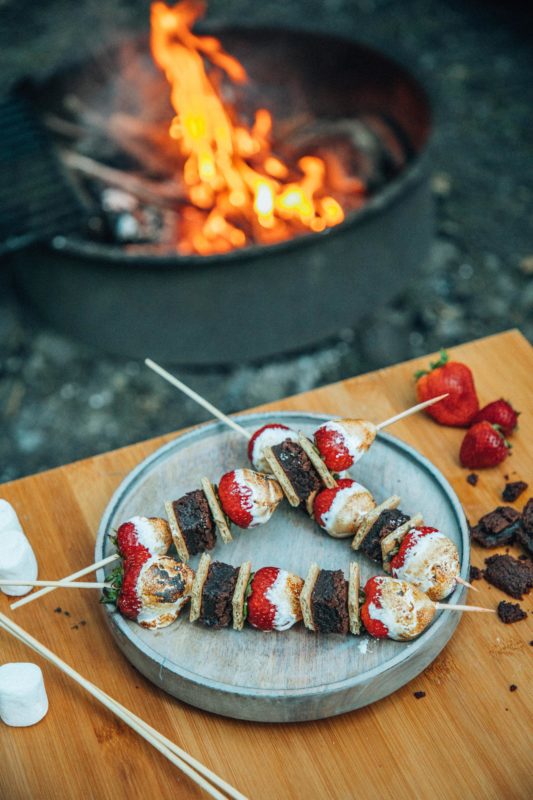
To make a fun twist on a campfire classic, incorporate some farmer’s market strawberries to add fresh flavor to your s’mores.
Here’s how to make toasted strawberry s’mores:
INGREDIENTS – Wooden skewers – Strawberries – Bag of Marshmallows (heated on stove) – Graham crackers, cut into 1-inch squares – Brownies, cut into 1-inch squares
INSTRUCTIONS Using wooden skewers, skewer strawberries. Melt your marshmallows in a pot on the stove (we have one in each of our cabins) and transfer the mixture to a bowl. Dip strawberries in marshmallow liquid to coat well.
Over open flame, hold strawberry skewers over fire until golden brown, turning frequently, about 10 seconds.
Assemble skewers: with skewer, carefully make hole in the center of each graham cracker piece. Alternatively skewer toasted strawberry, graham cracker square, brownie square and another graham cracker square. Repeat with remaining ingredients and skewers.
All of our cabins include a mini-kitchen equipped with the basics of all that you’ll need to get chopping (including knives and a cutting board). See what’s inside our cabins and book your own escape to get cooking.
Companionship is a cornerstone of the human experience.
Companionship is a cornerstone of the human experience. From spontaneous laughter to quiet conversations and warm embraces, meaningful connection plays a vital role in our overall well-being. Studies consistently show that strong social bonds not only increase happiness but can also extend our lives. We are, quite simply, wired to connect—it’s how we thrive.
But just as we need each other, we also need time alone. In fact, solo experiences—especially solo travel—can be some of the most transformative moments in our lives. Solitude offers its own kind of nourishment. In a world that often demands constant interaction and productivity, creating space to pause, reflect, and simply be is essential. Research suggests that an overstimulated, “overcivilized” lifestyle can take a toll on our mental health. Restoring balance means embracing both community and quiet—valuing both conversation and calm.
At Postcard Cabins, we talk often about a lost art in modern life: boredom — a concept that’s deeply connected to solitude. As children, boredom was a gateway to creativity. It was how we discovered who we were, what we loved, and how to entertain ourselves. But somewhere along the way, adulthood replaced that space with constant busyness. We became part of an overstimulated, overbooked culture that rarely gives us the permission to simply be.
That’s what makes solo travel so essential. It carves out time not only for rest, but for reconnection with the self. Without the presence of a partner, a friend, or even a phone to distract you, you’re gently nudged back into your own mind. You begin to notice your surroundings more clearly. Your thoughts become sharper. You start to ask: What truly brings me joy? What have I been too busy to feel?
Solo travel may feel intimidating at first. We’re used to structuring our days around others—making sure they’re enjoying themselves, filling silences with conversation, and curating moments of togetherness. But when you’re on your own, you have the rare chance to rest without performing. You don’t need to entertain anyone. You don’t need to be “on.” You can simply exist.
And that’s the power of it. The stillness. The space to wander and wonder. The ability to do nothing at all—and discover that, in doing so, you’re learning more about yourself than any itinerary or online personality quiz could offer.
This kind of solitude isn’t lonely—it’s clarifying. It builds resilience, fosters self-trust, and creates a deep sense of groundedness. The more comfortable you become in your own company, the stronger your relationships with others will ultimately be. Because when you know yourself, you show up more fully—for everyone else, too.
Whether you’re a seasoned solo traveler or considering your first getaway alone, know that taking time for yourself is not selfish—it’s necessary. Solo travel isn’t about escaping others. It’s about returning to yourself. So set out on your own. Put the phone away. Get bored. Let nature speak to you. And let the stillness of solitude slowly lead you home—to yourself.