Getting away should be about relaxing and recovering from hectic city life. Recharging doesn’t have to mean lying in bed all day- although it certainly can. Sometimes the best way to disconnect is by exercising and keeping yourself healthy.
We caught up with some fitness experts to ask them how they stay in shape when traveling. Whether you’re escaping to a cabin nestled in nature or you’re flying to a new city, these tips are great ways to put your mind at ease through fitness.
Tips for Staying Active on the Road
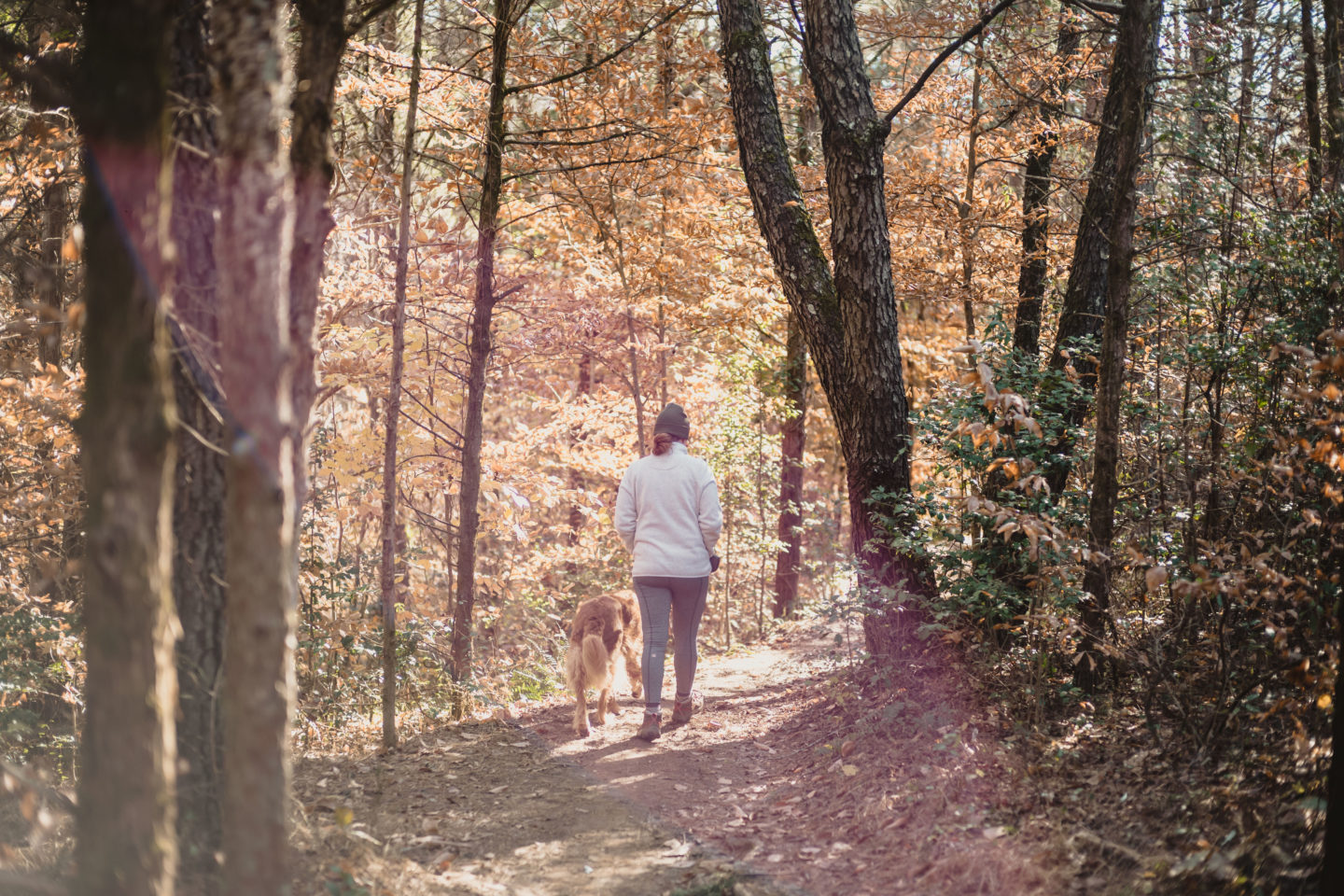
CorePower Instructor Calli Pappas says her favorite part about travel is time to focus on what makes her happy, so exercising is a must. Calli goes on walks or runs without any music or distractions. That way, she can get a feel for her new environment, while keeping herself fit. She says this routine, along with her mindfulness practices, keeps her grounded when she travels.
“I’ve always had a pretty strong and solid fitness routine, but I found something was missing,” Calli said. “It wasn’t until after college when I discovered yoga and then, overtime, meditation, among other mindfulness practices. Incorporating these practices into my lifestyle has helped to increase my overall awareness, intuition, gratitude, and overall quality of health and well-being.”
Calli recommends packing resistance bands and sliders on your next trip, so you can do a quick core and glute-strengthening exercise anywhere you go.
Personal Trainer Alicia McKenziealways scopes out the gyms, or lack thereof, before a trip and she makes an exercise plan before leaving.
Alicia loves making the most of what she has around her. She usually focuses on bodyweight exercises when she’s away from home. Her on-the-go fitness routine always includes running, air squats, lunges, burpees, and plank holds.
Fitness and Mindfulness
Fitness guru Aly Raymer does a little bit of everything. When she’s not working at B/SPOKE Studio or teaching yoga at Exhale Spa, she’s organizing wellness retreats.
“Mindfulness is the key to a fulfilling workout,” Aly said. “You must take care of both mind and body in order to really reap the benefits of fitness. You can workout all the time, eat all of the healthy things, but if you have a negative mindset or are totally disconnected for your body, it’s for naught.”
Aly loves exploring cycling studios in new places. When those are unavailable, she tries to go on walks and explore on foot, as well as use dance for exercise. Aly says it’s important to always listen to your body. Remember that it’s okay to use travel time to relax and recover from your frequent workouts.
The Light Phone is a divisive concept: it’s a beautiful phone that has all the sleek design and appeal of an iPhone, but features none of the intelligent capabilities of internet browsing, emails, or downloading apps.
Its purpose is to allow people to roam free, unfettered by the distractions of technology, but also to allow its users to be reachable by phone if needed. Ironically, this product was born out of an experimental Google incubator for designers. Brooklyn-based artist and designer Joe Hollier felt instructed by the program to “find a sticky idea, something users will get hooked using for hours a day, make it free so it can scale, collect data and sell advertising as revenue and package it together with a pretty bow.”
Joe thought to himself that the last thing the world needed was another smartphone app. Along with his co-founder Kaiwei Tang, who was in the same program and had a decade of experience with cell phones, the Light Phone was born. While The Light Phone was originally designed to be a second phone, the Light Phone II has a couple of added features, such as an alarm clock, making it conceivable (gasp) that we could all return to non-smartphones full-time.
Read on to learn more about Joe, his thoughts on work-life balance, on the noise of the internet, and where we are headed.
How did your program react to a product that inherently can’t have any apps? The reaction has always been pretty polarizing, which as an artist I love. There isn’t a lot of non-reaction, people tend to love it or hate it. In the program, there was a lot of initial skepticism for sure. The very real and deep conversations that arose from pitching what was at the time just a piece of plastic, some photoshop and a little imagination were powerful to me.
What occupies most of your time during the day? The short answer is The Light Phone. I spend most days at our office at NewLab in the Brooklyn Navy Yard. I’ll oversee customer service, interacting with a lot of our current and future users. I enjoy talking about the ideas that inspire the Light Phone with a variety of press outlets or other interested thinkers who cross our path. Designing the experience of the Light Phone II has been my main focus lately, which includes following the hardware and software engineering, lots of conference calls and required documentation, as well as lots of tinkering alone, sketching ideas and then presenting them for feedback with trusted friends and eventually to the engineers that make them real. I take lots of walks, either while on calls or preferably just to think. Walking is great for thinking. What occupies most of your time during the weekend? I never really had “weekends” before the Light Phone in that I never had a real job. They have become sacred to me now that I have a semi-9-to-5 feeling life these days. I do whatever I want on the weekends. I don’t always get weekends and that’s ok too. That’s certainly the toughest part of creating something of your own. What do you wish you had more time to do? Personal projects. The Light Phone is amazing and I feel truly lucky to be working on something I am passionate about, but I’m so used to much shorter projects, usually overlapping, covering a variety of my interests at a time so sometimes the idea of doing ANYTHING but thinking about Light Phone seems so much fun. The grass always seems greener.
The thing about the Light Phone, and maybe the whole “digital wellness/mindfulness movement”, is that there is not some magic pill that automatically creates balance in your life.
What do you wish you did less of? Blaming myself and taking full responsibility for any of the many large-scale problems of the world, typically overwhelming myself into hopelessness and paralyzation. What is your favorite non-digital activity? Drinking piña coladas. Do you use any technology or apps that help you balance your life? The thing about the Light Phone, and maybe the whole “digital wellness/mindfulness movement”, is that there is not some magic pill that automatically creates balance in your life. There’s no answer to your stress or problems, like almost every product claims to be. The Light Phone is an attempt to be the hard questions if anything. What will you do now that you don’t have your smartphone? How are you spending your life? It’s an initial withdrawal almost, but it hopes to be an existential reminder that we are responsible, and therefore in control of our lives. We can choose to find balance, which for me means finding and loving the healthy outlets I have for my anxiety often and to avoid the toxic parts of the internet world of narcissistic, click-baity, ad-driven feeds as much as possible. If you could have a day off to spend anywhere with anyone, what would you do? Hiking and camping with my lovely girlfriend Rachel. What would you pack in a suitcase if you had to live with only those items for the rest of your life? Camera, notebook, skateboard, laptop, headphones and my cat. I wouldn’t actually put her in a suitcase, but she’d make my list of things I can’t live without.
What do you think you’d be doing in a world without technology? I think in many ways, the same stress/struggles/pleasures/joys would exist similarly without technology, but maybe not to the overwhelming degree we currently experience. I imagine I’d be exploring what it means to be alive through storytelling, music and the other timeless arts that have always inspired me and everyone else prior to technology.
What will you do now that you don’t have your smartphone? How are you spending your life?
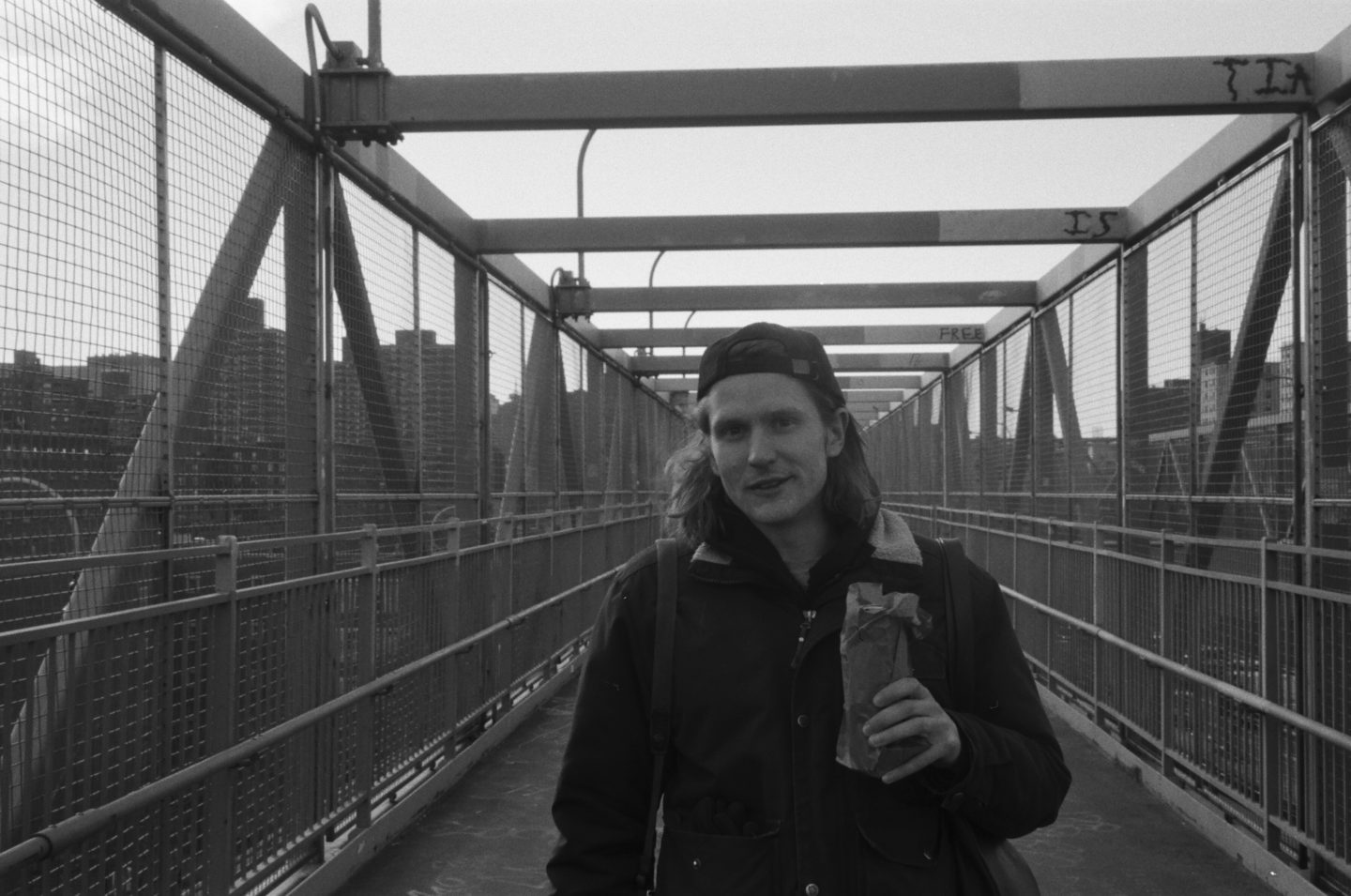
Who are your favorite writers? Kafka, Camus, David Foster Wallace, Noam Chomsky, Joan Didion, Richard Feynman, Oliver Sacks… in no particular order and apologies to the tons of other authors who have truly changed my life that were not mentioned. When and where are you happiest? Walking the Williamsburg bridge has been a solid go-to happy place since I moved to NYC about ten years ago.
How do you create balance in your life? Turn off and tune out often. Don’t take myself or the Light Phone too seriously. Laugh often, cry often. I need my regular outlets, playing music, skateboarding, painting, cameras, walking, camping, reading… Which living person do you most admire? I appreciate the ordinary heroes. Humble, hardworking, smiling folk. They inspire me.
What’s up next for you after Light project? I try not to think too much about it because I know how excited I can get thinking about the possibilities. I try to instead ask what can I do next with Light, this platform that I can’t take for granted. If I do think about it, I’m fascinated by the idea of having more physical space to create, play and live closer with nature. The idea of making a home. I’d like to be there sooner than later. I wish I could go to school forever. I’m happiest I think when I am in that student/learner mindset, but you can also get there when you’re in your studio too.
Interested in spending some time offline without a light phone? Book a Getaway with us— all cabins have landlines in case you need to really call someone.
In our fast-paced lives, it can be challenging to find time to connect with nature. Most people work long hours during the week, leaving only the weekends for relaxation and outdoor activities. However, taking a midweek escape to nature can be a refreshing and rejuvenating experience, providing numerous benefits for your mental and physical well-being.
Here are some of the reasons why you should carve out free time for a midweek escape to nature:
Reduces Stress and Anxiety
Spending time in nature is a great way to reduce stress and anxiety. The calming effect of nature can help you relax and unwind, allowing you to escape the pressures of everyday life. A midweek escape to nature can give you a break from the hustle and bustle of the city, providing a peaceful and serene environment for you to unwind and recharge.
Increases Creativity and Productivity
Studies have shown that spending time in nature can boost creativity and productivity. Being surrounded by natural beauty can stimulate your senses and inspire creative thinking. A midweek escape to nature can provide the perfect opportunity to disconnect from distractions and tap into your creative side, enabling you to return to work with a fresh perspective and renewed energy.
Enhances Physical Fitness
A midweek escape to nature can also provide an excellent opportunity for physical activity. Whether it’s hiking, biking, or simply walking, being active in nature can enhance your physical fitness and overall health. The fresh air and natural surroundings can also help you to breathe more deeply, improving your lung function and oxygen intake.
Improves Sleep Quality
The calming effect of nature can also improve sleep quality. Studies have shown that exposure to natural environments can reduce the time it takes to fall asleep, increase the duration of sleep, and improve the overall quality of sleep. A midweek escape to nature can provide a peaceful and quiet environment for you to get the rest you need, enabling you to return to work feeling refreshed and rejuvenated.
Boosts Immune System
Being in nature can also boost your immune system. Exposure to natural environments can increase the production of white blood cells, which are essential for fighting off infections and diseases. Spending time in nature can also reduce inflammation and lower stress hormones, further enhancing your immune system.
Provides a Sense of Connection
Spending time in nature can provide a sense of connection with the world around us. It can remind us of our place in the universe and our connection to all living things. A midweek escape to nature can provide the perfect opportunity to connect with the natural world and appreciate its beauty and wonder.
Taking a midweek escape to nature can provide numerous benefits for your mental and physical well-being. It can reduce stress and anxiety, boost creativity and productivity, enhance physical fitness, improve sleep quality, boost your immune system, and provide a sense of connection. So, if you’re feeling overwhelmed by the demands of everyday life, consider carving out some free time for a midweek escape to nature. You’ll be amazed at how refreshed and rejuvenated you’ll feel!
We met Leila Marchbanks, founder of A Book at the Table, back in June when she was nominated for our 100 Nights of Rest offering. As a team of book lovers, her passion spoke to us; as a brand striving to provide a safe space in nature for people of all backgrounds, her mission inspired us.
Leila started A Book at the Table to share her extensive research with educators and bring diverse literature to classrooms across the country. The mission is simple: every child deserves to see themselves and their complex interactions with the world in the books they read. Her language arts curriculum intentionally expands past the traditional protagonists and encourages kids to invest not only in their own unique experiences, but in the experiences of other people and cultures, too.
As kids head back to learning—whether it be in the physical classroom or virtually at home—here are two inclusive reading lists curated by A Book at the Table. The first is aimed at preK and kindergarten age, and the second is for 6th graders.
According to A Book at the Table, “If the titles reflect the diverse groups of people in the world around them, children can learn to respect not only their own cultural groups, but also the cultural groups of others. Multicultural children’s literature will help a child understand that despite our many differences, all people share common feelings and aspirations.”
The Day You Begin by Jaqueline Woodson
We all feel like outsiders sometimes, but often when we reach out and begin to share our stories, others will be happy to meet us halfway.
All About Families by Felicity Brooks
This glorious celebration of family diversity shows little children that families come in all shapes and sizes.
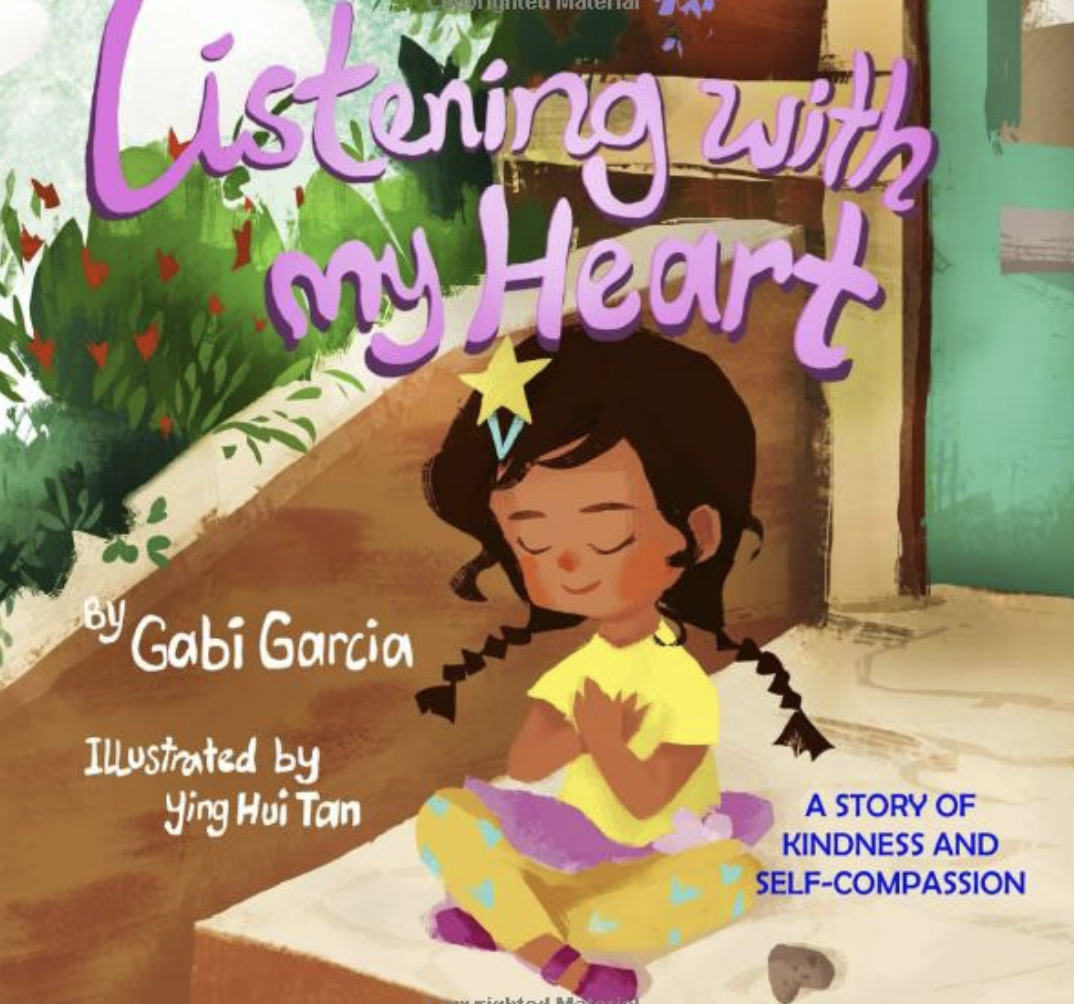
Listening with My Heart by Gabi Garcia
We talk to kids a lot about how to be friends to others, but not much about how to be friends to themselves.
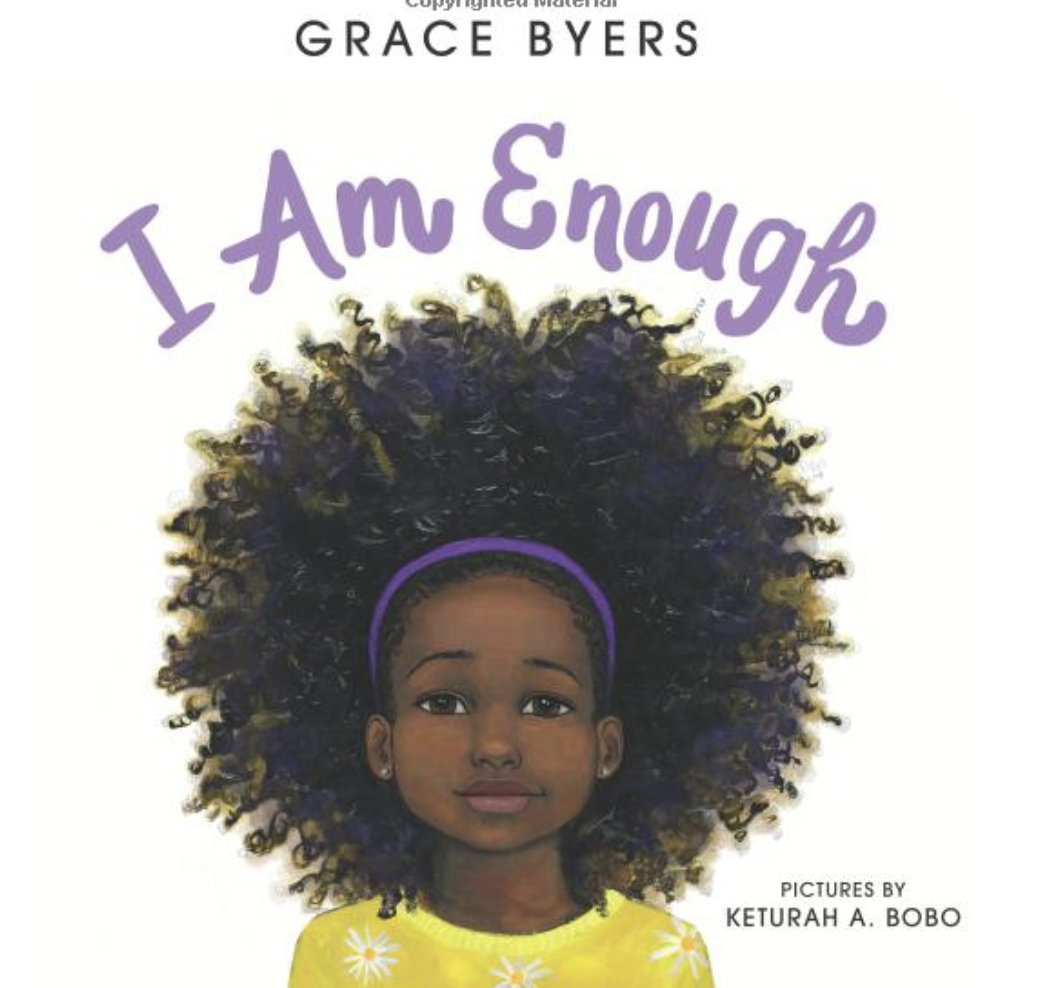
I Am Enough by Grace Byers
This is a lyrical ode to loving who you are, respecting others, and being kind to one another. We are more than enough. We just need to believe it.
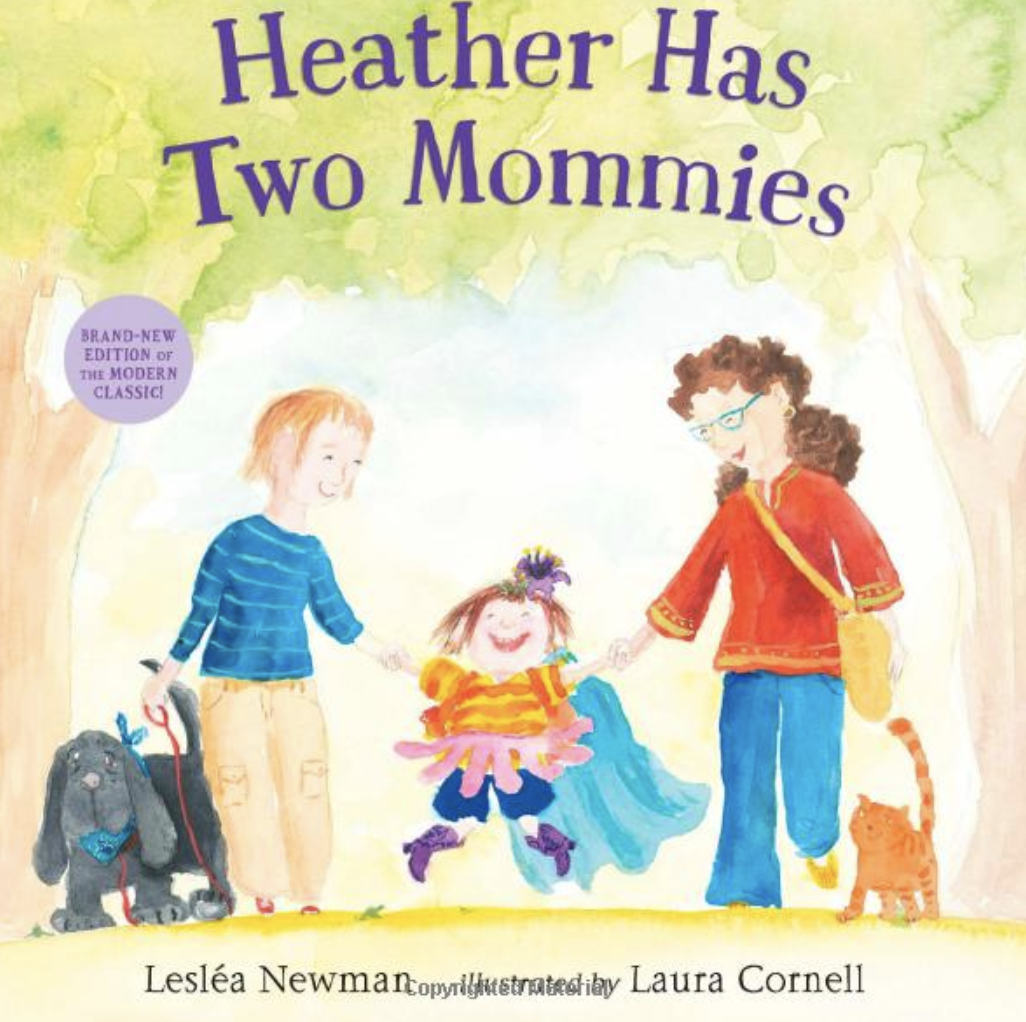
Heather Has Two Mommies by Leslea Newman
A story that teaches the most important thing about a family is that all the people in it love one another.
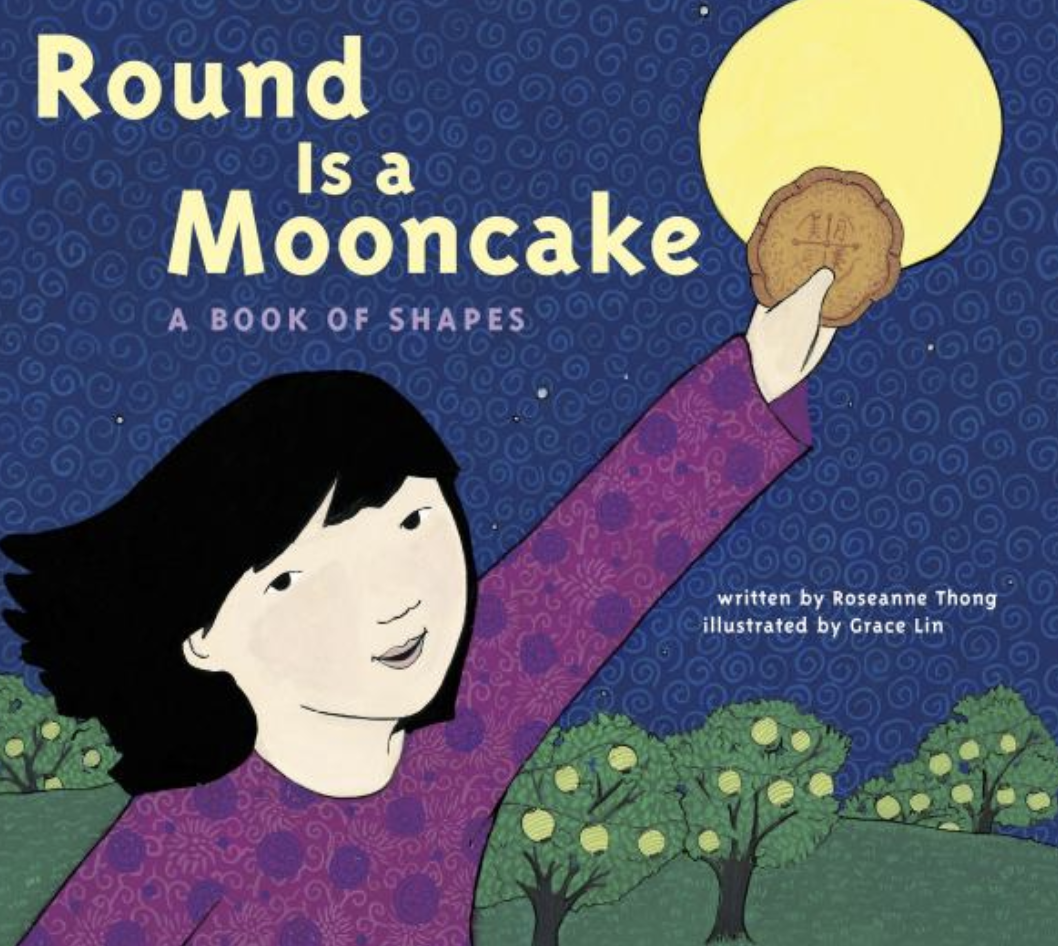
Round is a Mooncake; A Book of Shapes by Roseanne Thong
A little girl’s neighborhood becomes a discovery ground of shapes. Many of the objects are Asian in origin, other universal.
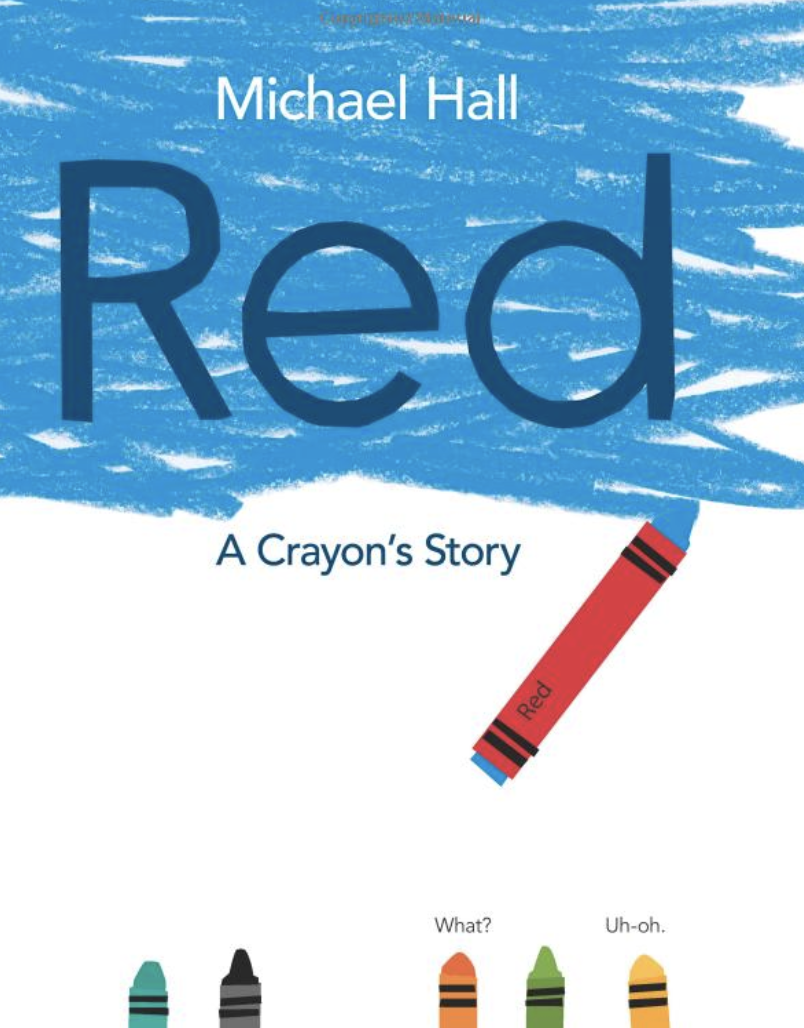
Red: A Crayon’s Story by Michael Hall
A blue crayon mistakenly labeled as “red” suffers an identity crisis in a book about being true to your inner self and following your own path.
Mary Wears What She Wants by Keith Negley
This bold, original picture book encourages readers to think for themselves while gently challenging gender and societal norms.
Golden Domes and Silver Lanterns by Hena Kahn
A book that magnificently captures the world of Islam, celebrating its beauty and traditions for even the youngest readers.
Antiracist Baby by Ibram X. Kendi
With bold art and thoughtful yet playful text, Antiracist Baby introduces the youngest readers and the grown-ups in their lives to the concept and power of antiracism.
For even more suggestions for preK and Kindergarten, see here.
6th Grade Reading List
According to A Book at the Table, “Sixth grade is a time of major growth and self-realization; a year of significant transition for students as they use the skills they have previously learned and apply them to more complex learning in deeper and more rigorous ways. Students improve their ability to make inferences, recognize underlying themes, and gain an understanding of figurative language. Novels studied in class need to reflect experiences of the students themselves to make an impact.”
This Is My America by Kim Johnson
Every week, seventeen-year-old Tracy Beaumont writes letters to Innocence X, asking them to help her father, an innocent Black man on death row. After seven years, Tracy is running out of time. Then the unthinkable happens.
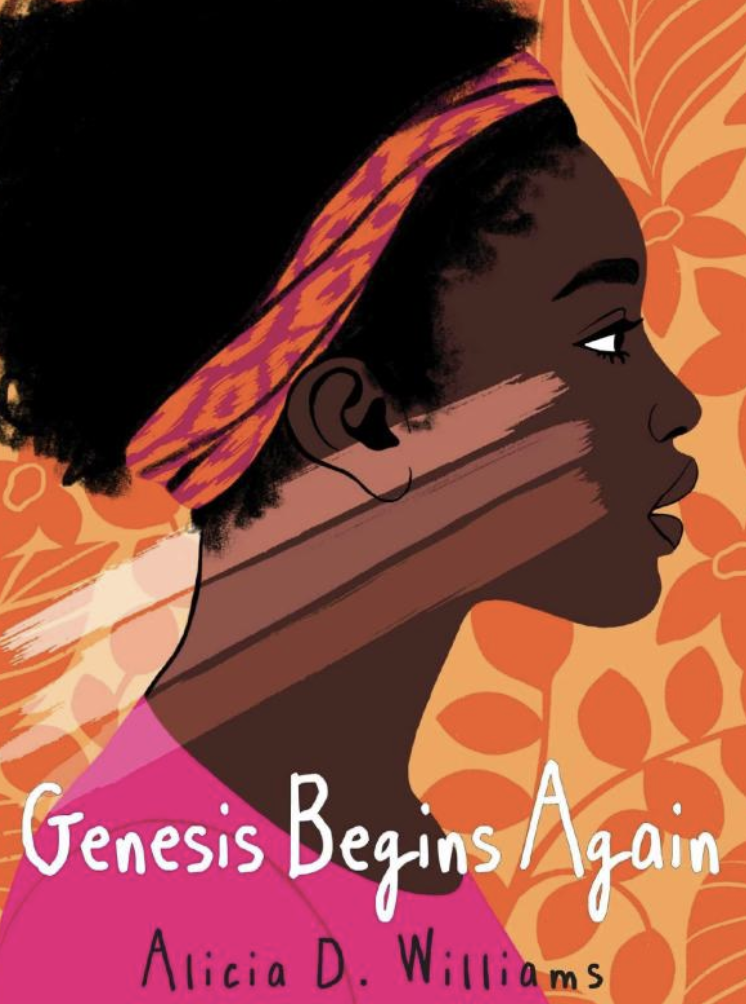
Genesis Begins Again by Alicia D. Williams
The story of a thirteen-year-old who must overcome internalized racism and a verbally abusive family to finally learn to love herself.
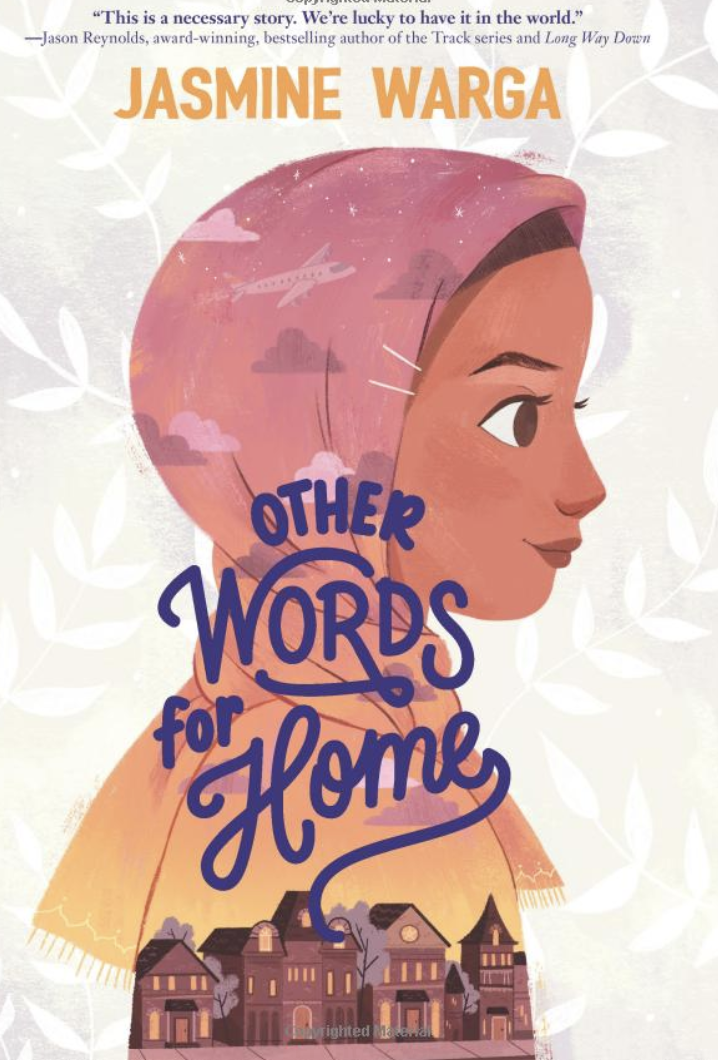
Other Words For Home by Jasmine Warga
A lyrical novel about a young girl who must leave Syria to move to the United States. This story is affirming and hopeful, exploring what it means to lose and find home, and most importantly, find yourself.
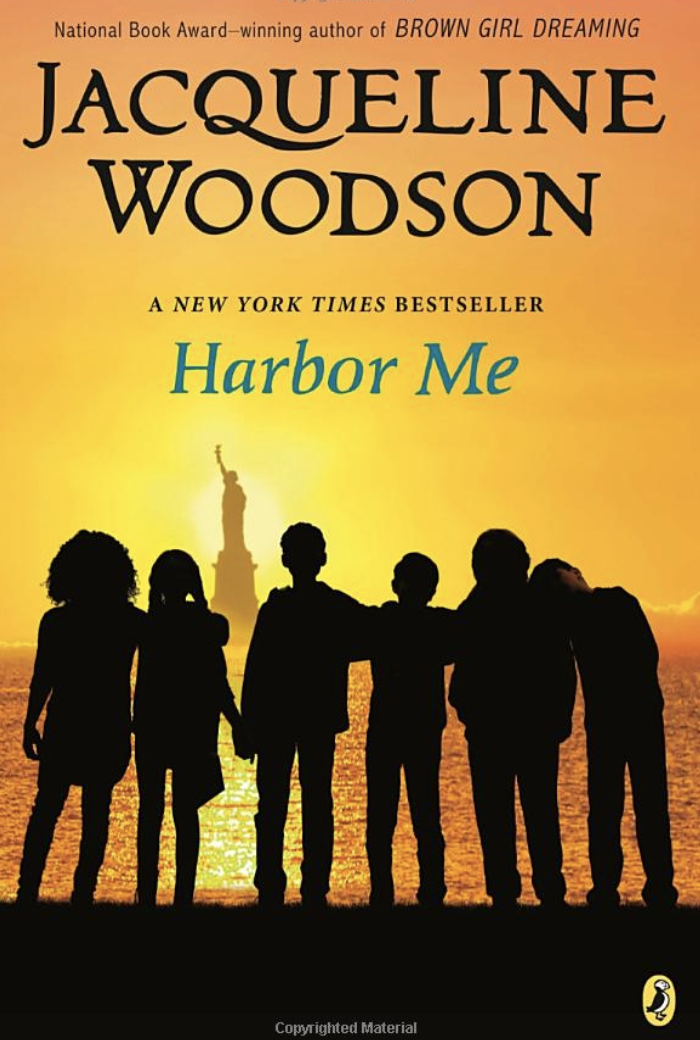
Harbor Me by Jacqueline Woodson
A celebration of the healing that can occur when a group of students share their feelings and fears they have to hide from the rest of the world. Together, they can grow braver and more ready for the rest of their lives.
Born A Crime (Young Readers Edition) by Trevor Noah
This fascinating memoir of The Daily Show’s Trevor Noah blends drama, comedy, and tragedy to depict the day-to-day trials in a country where racism barred Black people from social, educational, and economic opportunity.
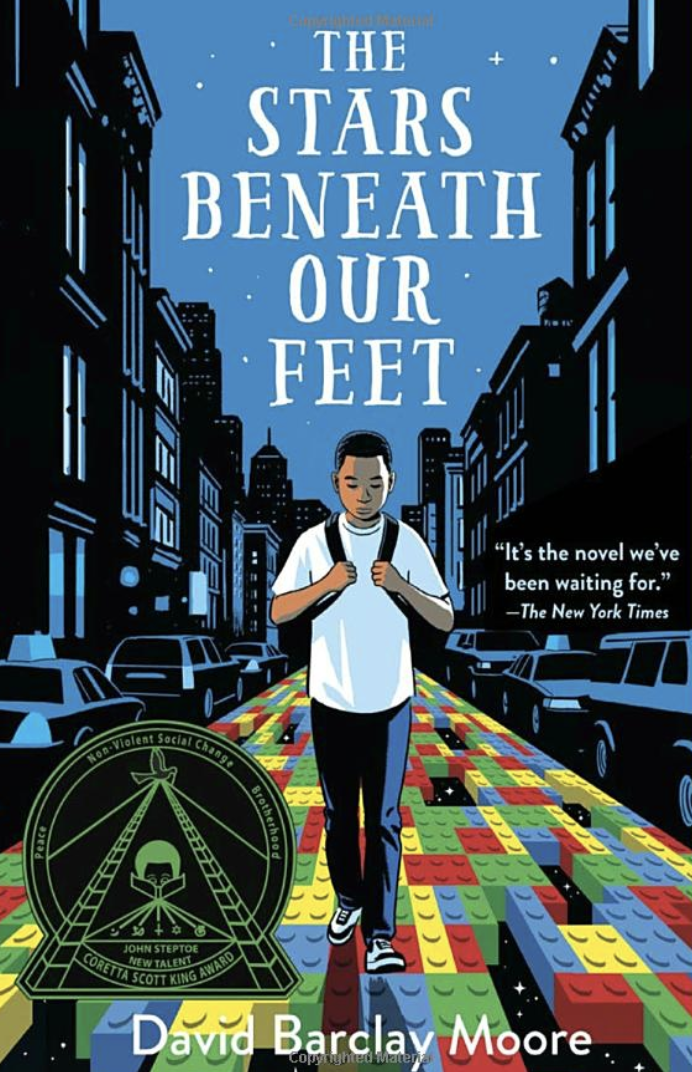
The Stars Beneath Our Feet by David Barclay Moore
A powerful portrait of a boy teetering on the edge—of adolescence, of grief, of violence—and shows how Lolly’s inventive spirit helps him build a life with firm foundations and open doors.
Ivy Aberdeens Letter To The Word by Ashley Herring Blake
In the wake of a destructive tornado, one young girl develops feelings for another in this stunning, tender novel about emerging identity.
I Am Alfonso Jones by Tony Medina
The first graphic novel for young readers to focus on police brutality. As in Hamlet, the play Alfonso is set to star in before his death, the dead shall speak—and the living yield even more surprises.
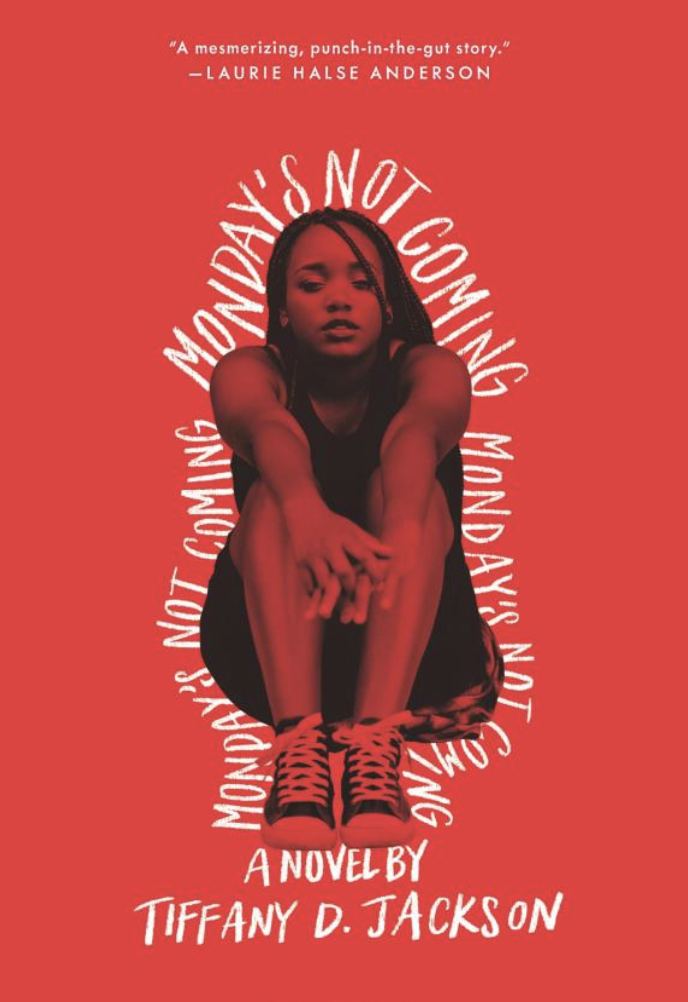
Monday’s Not Coming by Tiffany D. Jackson
How can a teenage girl just vanish without anyone noticing that she’s gone? A gripping novel about the mystery of one teenage girl’s disappearance and the traumatic effects of the truth.
The Education of Margot Sanchez by Lilliam Riviera
Set in the South Bronx, this bold and romantic coming-of-age novel explores dysfunctional families, the consequences of good and bad choices, and courage it takes to question everything you ever thought you wanted
For even more suggestions for 6th grade, see here.
Catskill local Megan Montenaro started her business, Relax It’s Flowers, to combine her love of flower arrangement with her focus on mindfulness. According to Megan, arranging flowers creates the perfect environment to focus all your energy on the present. Relax It’s Flowers offers 90-minute classes to learn just that. Megan unplugged and relaxed at our New York Outpost earlier this month. Now, she’s sharing one of her favorite mindful practices.
Learn to Listen: Your Mind (Heart, Blood Pressure, and Joints) Will Thank You
In the morning, do you reach for your phone and check email before you’re even fully awake? In the evening, do you fall asleep as you scroll through Instagram?
When you have to wait in a doctor’s office, for a friend who’s running late to your brunch, or for a meeting to start, do you fill these moments with mindless scrolling as opposed to mindful thinking?
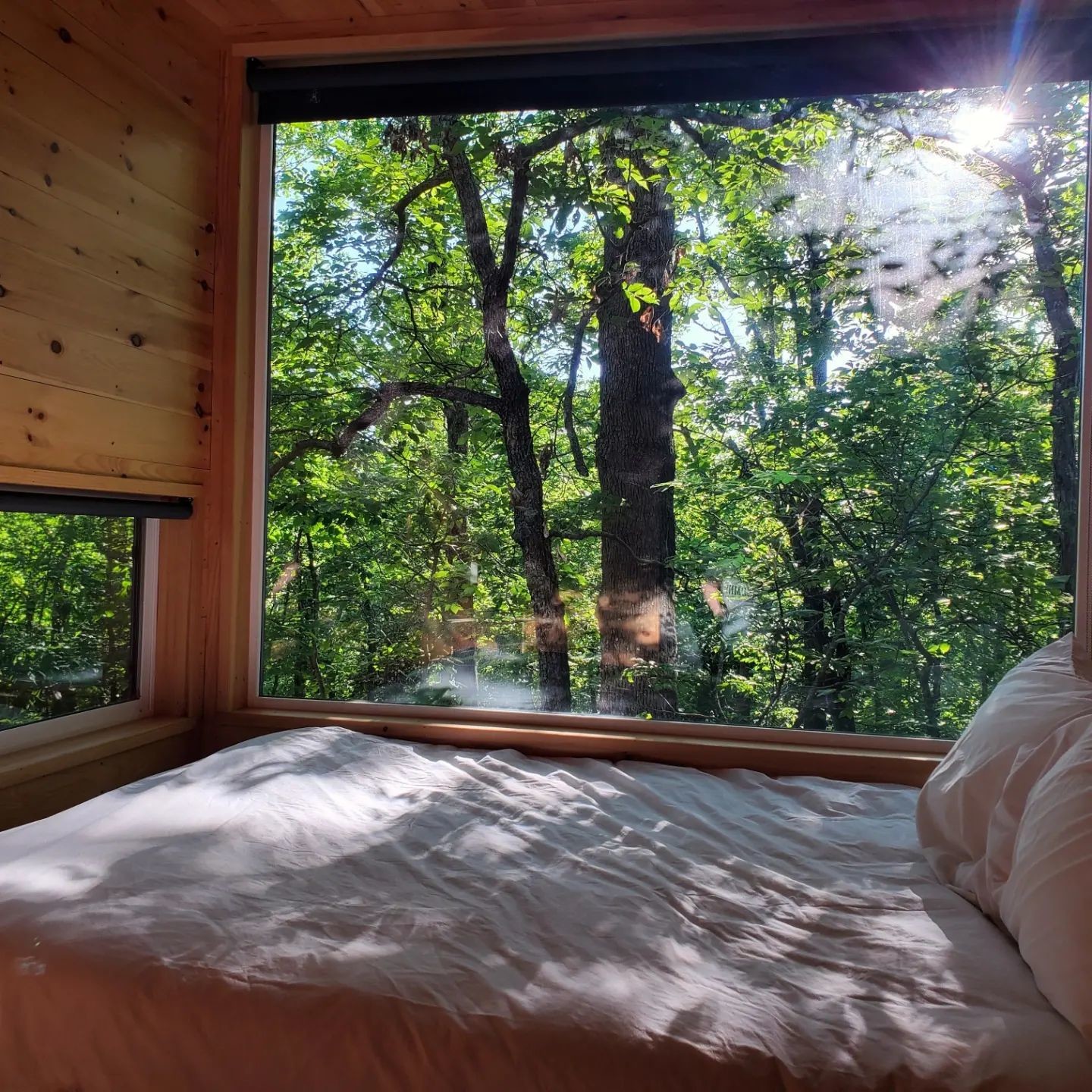
If you answered yes to any – or all – of these, I have a hunch you would benefit from this wonderful listening exercise. I used to do this every morning, before I got out of bed. It would remind me that being mindful, in any situation, can shift aversion to indifference and you can control your reaction. I sadly stopped the practice a few months ago, but spending the night tucked away in the woods of Catskill, in the Eleanor cabin at Getaway, was the perfect time to begin again.
It doesn’t take long, no one will notice if you want to do this in public, and I promise it will help on many levels (just google “physical benefits of mindfulness” if you need more convincing).
Are you ready?
Close your eyes, take a deep breath and as you finish your exhale, begin to listen for 5 different sounds. At first you might hear nothing at all, or everything might blend together to form “noise.” Breathe again, relax, and keep listening. Don’t describe what you’re hearing. As soon as you identify a sound, move on to the next. Let the sounds come in and out of your ears, rising and falling, like waves in the ocean. If you get distracted and start thinking about what’s in your inbox – take another deep breath, feeling how it’s cold on the way in and warm on the way out.
Just listen. That’s all you have to do. When you reach 5 sounds, take a deep breath and begin again. This time, count only four different sounds. Do it again, but count three sounds. Then two. Now one.
What did you hear? Did you always hear the same sounds, and in the same order? Was one of them annoying at first, but then it didn’t even bother you? Did you even hear it anymore?
Being mindful is the exact opposite of multi-tasking. It is doing one thing at a time, on purpose and with purpose. If you’re doing that – in this case if you’re just listening – it should be impossible to do anything else, and your mind will be quiet. Only when your mind is quiet will you have the space to avoid automatic reactions and decisions made from a place of fear or panic. Soon you will find, the problem isn’t your problem, it’s your reaction to the problem that’s your problem.
The next time you have a few minutes and you find yourself reaching for your phone, don’t. Just listen.
For more info about Megan’s work, you can follow Relax It’s Flowers on Instagram or check out their website.
Earlier this year, we hosted psychologist and Year of Rest Recipient, Ciara Dennis-Morgan at Getaway Beaver Creek outside of Pittsburgh and Cleveland so she could enjoy some much-deserved free time in nature. Here’s what she had to share with us about herself, her work, and her escape to nature.
On Her Work
I am a psychologist and I serve as the Clinical Director of a Black owned, state certified, nationally accredited mental health agency and I’m the founder of a wellness company. I provide therapy, assessments, training and a variety of services through a culturally specific Lens. I also work with special populations such as Black pregnant and postpartum women.
On Getting Away
Our Getaway was great. If felt necessary. We are planning to go again and also thinking of ways to include our loved ones. It enhanced my relationship to rest. It allowed me to have a new experience that connected me with ways I return to self. It was a reminder that not much is needed.
On Disconnecting
My favorite ways to disconnect include:
Yoga/ movement practices – move energy through body. Yolk mind body and spirit.
Time alone in solitude—create space and just be.
A drink! (Smoothie, tea, wine)—Enjoying a beverage helps me to enjoy the simple things.
There’s nothing better than finally finding time to get outside and enjoy the world around you. Exploring green spaces is an easy way to improve both health and happiness by lowering stress, blood pressure, and heart rate.
We’re big proponents of spending time outside – whether it’s by taking a quick stroll or even just sitting beside a roaring campfire. Here are some of our favorite ways to spend time in nature.
Go For A Hike
Get your endorphins moving for an extra dose of stress belief by working out in nature. Whether you’re a beginner hiker or you’ve been hiking trails for years, there’s a hike for you near all our Outposts. Pack a celebratory lunch to enjoy from the summit and soak up the natural beauty around you.
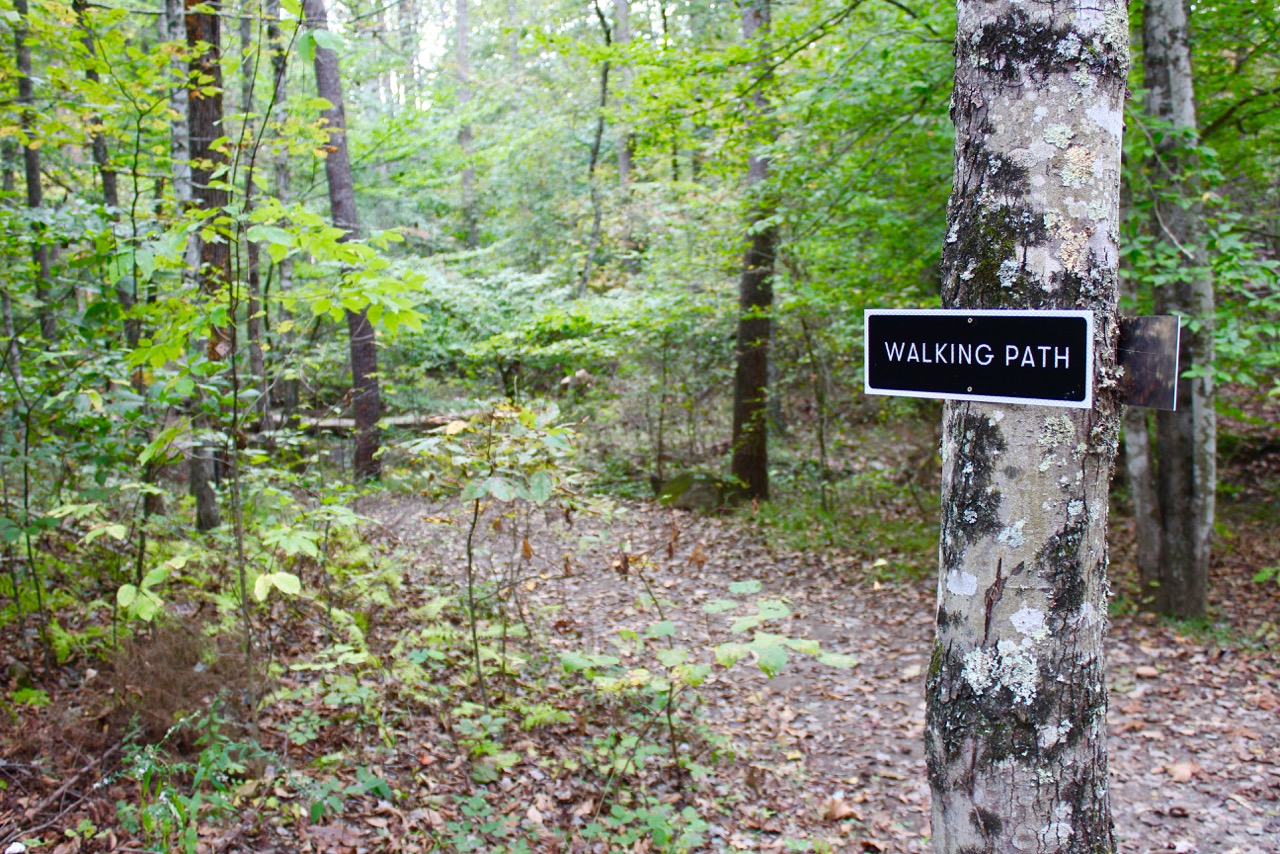
Take a Walk in the Woods
If you’re looking for something a little more relaxed, simply taking a stroll through the trees will still do wonders for your health and mindset. The Japanese tradition of forest bathing holds that simply being in the forest is a form of preventive health care, so relax with a gentle stroll.
Listen to a Soothing Playlist or Podcast
Sometimes there’s nothing better than sitting and listening to a well-curated playlist or podcast. Whether it’s old classics you haven’t heard in a long time, or you’re taking the time to explore something new, the pro-tip is to download and save whatever your mind is craving before you head to the wilderness. Then you can listen and enjoy completely offline.
Read a Nature Guidebook
Take the opportunity in nature to learn more about the world around you. Bring out a book to learn about the different types of trees around you. Find literature that will teach you about the bird calls you’re hearing. Have fun identifying new aspects of nature to love and appreciate.
Just Be
Everyone could some time to slow down and just be. Allow yourself to do nothing by sitting, relaxing, and soaking in some greenery. Afterwards, you’ll be happy you did.
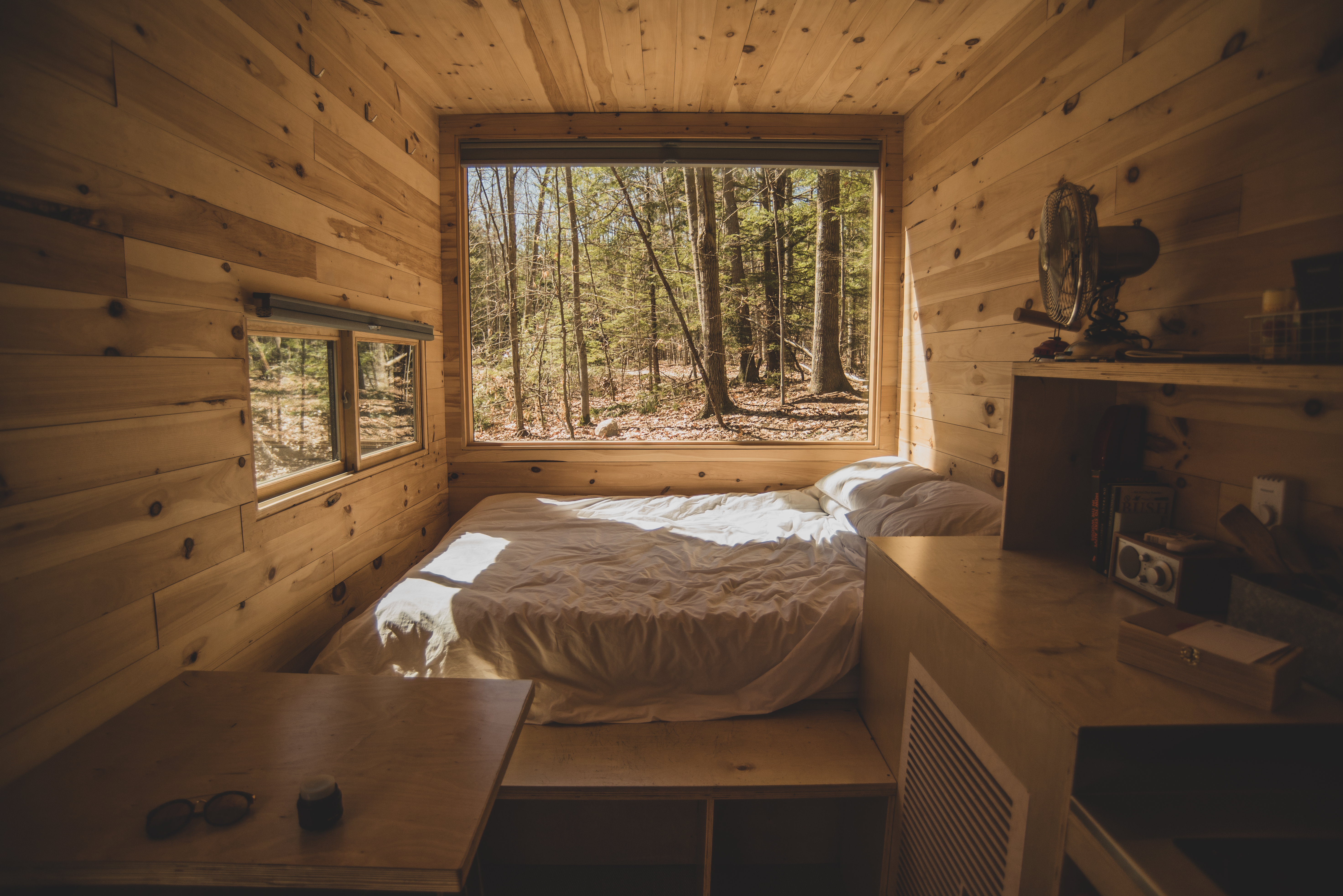
Looking for a place to reset in nature? Book your escape to a tiny cabin now.
It’s no surprise that nature-based causes are close to our hearts here at Getaway. It can feel overwhelming to think about helping our favorite natural spots, to ensure that they’re still as beautiful and vibrant as we remember them to be. However, taking action locally in small, but consistent ways, is one of the best ways we can have a larger impact on those causes that are most important to us.
Here are some ways you can get involved in some of our favorite nature-based causes in your local community.
Plant a tree.
Planting a tree is a great way to support the natural ecosystem in your neighborhood. In fact, one of the best ways to counteract some of the effects of climate change is to plant more trees as they filter air, absorb carbon dioxide, and reduce ozone levels. They also help our mental health—and for many of us, we have memories of climbing trees as kids, reading books under their shade, or swinging below their branches.
This is why we partnered with One Tree Planted, so that every time you Getaway, one tree is also planted, meaning that our planet gets more trees and more people can have nature in their lives.
Support local parks.
Make it a point to support your favorite local park. There are a few ways to do this. The easiest way is to simply spend more time at your local parks, and use the parks responsibly by respecting any policies or rues like “carry-in, carry-out” that are intended to keep the park clean and safe for everyone who wants to spend time there. You can also do some research to see what boards or recreational committees make decisions about your favorite local park, and you can get involved by either joining those committees or simply voting in town hall meetings and local elections to make sure your voice is heard and considered.
Buy a national park pass.
It’s no secret that during peak seasons there’s a fee to enter many national parks. These fees are important because they help pay for the people and programs that maintain our national parks, but if you live close to one, or you go to a national park pretty regularly, you can consider buying a national park pass. This will be cheaper in the long run if you do go to national parks regularly, but it will also encourage you to make time to go to national parks more since you’ve already paid for a pass if you don’t feel like you go to any parks enough.
Look for a community garden near you.
Community gardens are becoming more popular, especially in urban areas. These are typically vacant lots that are transformed into spaces that provide everyone access to fresh produce, increase property values, and build a stronger sense of community. Sometimes the produce is even sold at farmers’ markets to raise money for community initiatives. Once you find a community garden you can get involved by signing up to help plant new seeds, water plants, and harvest any produce.
Ride your bike or walk.
Spend some extra time outside by riding your bike or walking rather than driving for five or ten minutes. Not only is this always a great option for your physical and mental health, but it’s also great for the environment.
Clean up your favorite trails.
Bring along a small garbage bag on your hikes, and pick up any trash or litter you find along the way. Pulling it from the trail will make the trail more beautiful, and it will keep things that take a long time to decompose like plastic away from any animals that might live there.
Check out a local farmer’s market.
Support local farmers in your area by heading to the farmer’s market instead of the grocery store. When you buy produce or a product directly from the farmer, you can be sure that your food is not only fresh but that the money you’re paying for it will directly help those who harvested it.