According to professional organizer Regina Lark, the average American owns 300,000 items — so much stuff that it’s spilling out of our homes entirely.
Whether you have a lot or a little, most organizers agree that there’s no “right” number of items to own.
“We all have different standards for what is too much,” writes interior designer and life coach Tisha Morris in her book Clutter Intervention. “What may seem cluttered to me may feel like a cozy haven to you. What may seem cold and stark to one person may feel liberating to another.”
The important thing is to make sure your belongings meet your needs and make you happy — and that you’re not saving space for those that don’t.
If you’re ready to embrace a bit of minimalism, here are a few tips to help you get started on auditing your belongings.
See Your Home Like a Guest
We can get so accustomed to our homes and belongings that we stop truly seeing them. Next time you return home, scan your space as if you’re seeing it for the first time. What do you notice? Are certain areas more crowded or cluttered than others? Are there things you could put away or remove entirely?
Designate a Place for Everything
You wouldn’t put a spatula in the bathroom. Apply the same philosophy to shoes, clothes, mail, loose change, and anything else that tends to pile up where it doesn’t belong.
Follow the “30-Second” Rule
According to Sandra Felton, the founder of Messies Anonymous, “if it takes 30 seconds or less to do a job, do it immediately.” This includes things like hanging up clothes, putting away shoes, or loading dirty dishes in the dishwasher. Making a habit of putting things away immediately will save you lots of time in the long run.
Store Items Temporarily
This technique allows you to see what you actually use, and it works especially well for decluttering kitchens and closets. Stow kitchen supplies and closet items in a closed box. Remove each item from the box when you need it and return it to its original home after use. After a few months, you know that what’s left in the box, you don’t use.
Practice One In, One Out
For each new item you bring into your home, select one item you already own to give away or recycle. If the thought of getting rid of something gives you pause, consider whether you really need that new item after all.
We all could benefit from bringing more balance into our lives. Our busy work and social calendars can burn us out and tire us out easily. That’s why we’re bringing you a series of recommendations for the best places to find disconnection and balance. We still believe leaving the city is the best way to recharge, but that’s not always possible, so it’s important to find sanctuaries even in the middle of our cities.
Here are some of our recommendations for our favorite places to rejuvenate in New York.
For Meditation
With a mission of making humans feel good, MNDFL is the perfect space for someone looking to integrate meditation into their routine. In addition to a variety of classes, the space also offers space for self-guided practice when there are no sessions.
For Yoga
New York has an endless supply of wonderful yoga studios, but a great one to try is Yoga Vida. With a wide variety of classes and a mission to make yoga accessible and inclusive, it’s the perfect place to find your new yoga community.
For an Immersive Wellness Experience
If you’re looking for a new and different way to relax, consider Modrn Sanctuary. The wellness center aims to be “a haven for those looking to calm their senses and relax.” With everything from personal meditation domes to Himalayan salt baths, it’s the ideal place for anyone looking to explore the newest trends surrounding a balanced lifestyle.
For Greenery
For those looking to head, the best place to disconnect in the middle of the city is Central Park. While some parts may be filled with tourists during the warmer months, there’s still plenty of space for you to take a break from the hustle and bustle and go for a stroll.
These are all great practices to build balance back into your routine. Sometimes nothing beats a quick and simple escape from the city.
We all could benefit from bringing more balance into our lives. Our busy work and social calendars can burn us out and tire us out easily. That’s why we’re bringing you a series of recommendations for the best places to find disconnection and balance. We still believe leaving the city is the best way to recharge, but that’s not always possible, so it’s important to find sanctuaries even in the middle of our cities.
Here are our recommendations for our favorite places to rejuvenate in Atlanta.
For Meditation
Get in your daily dose of deep breathing with Sacred Chill West. This yoga and meditation studio offers classes for all levels and will teach you comfortable seating options and tips before leading you through a lightly guided session.
For Yoga
If you disconnect through strengthening your body and sweating it out, check out Dancing Dogs Yoga. This studio offers a “kick-ass, feel good yoga community” and Baptiste Power Vinyasa classes for a range of levels.
For Walking
Take a break by taking yourself out on a stroll. The Atlanta Beltline is the perfect place to walk, take in the sights, and relax. With plans to connect 45 neighborhoods by the time it’s completed in 2030, this project will become one of the easiest places in the city to decompress.
For Learning
If you need some help learning how to reintroduce balance into your life, sign up for a course at the Mindfulness Center of Atlanta. With everything from one-day retreats to eight-week classes, the center works to encourage well-being and healing as a way to enhance therapy and medical treatments.
These are all great practices to build balance back into your daily routine. Sometimes, though, nothing beats a quick and simple escape from the city.
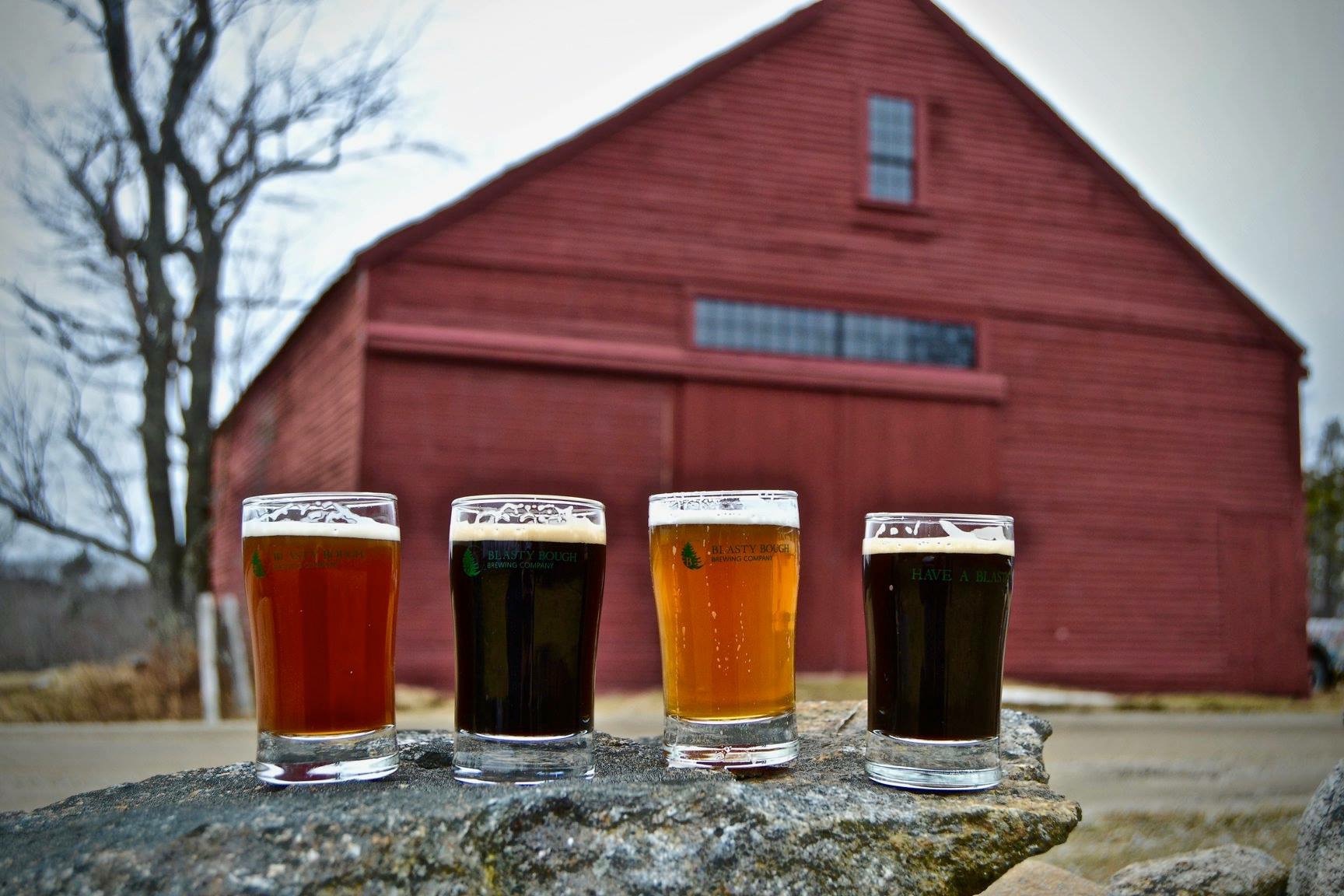
Described as a “mirage” by guests who stumbled upon it while exploring the grounds outside of our Boston Outpost, the Blasty Bough Brewing Company is a (quite literally) hidden gem.
In Newfoundland English, a “Blasty Bough” is a branch of dry pine that burns with a quick, fierce, and crackling flame. These pieces of wood were used to start fires for cooking, warmth, or in this case – brewing.
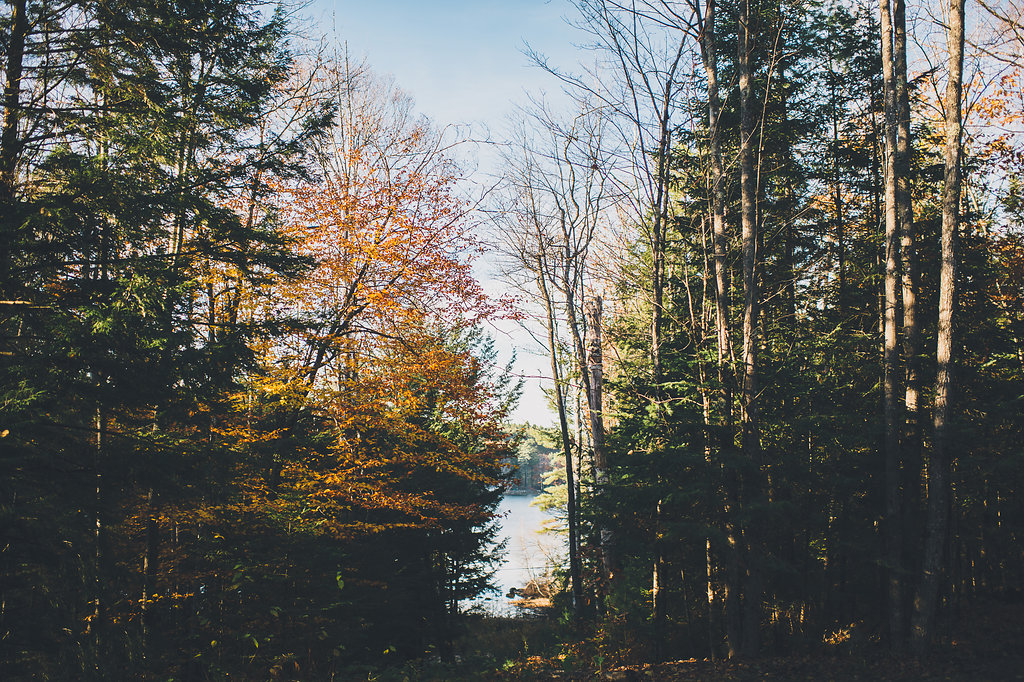
Photo by Nicole Chan Photography.
In addition to brewing, our neighbors at Blasty Bough also hope to kindle a flame for new passions, new traditions, and new friendships.
But these down-to-earth brewers aren’t just focused on the ‘new’ – they’re a company that’s also deeply rooted in tradition.
The farm-to-kettle brewery celebrates local flavors and a strong overtone of tradition from their technique to their location on top of the same hilltop where Scots-Irish immigrants first operated a tavern decades before the American Revolution.
New Friend Discount: let the folks at Blasty Boughs know that it’s your first time on a Getaway and they’ll knock 10% off a flight of tasters.
Hours: Friday 5 PM-9 PM, Saturday 1 PM-9 PM, Sunday 1 PM-6 PM. Other hours and tours by appointment.
Tour the taproom, peek into the greenhouse full of hops and fig trees, have a picnic on the front porch, play a board game, and enjoy an intimate evening concert – all just a 15-minute walk outside of our Boston Outpost, or if you prefer a walk through the woods (directions below), it’s about an hour.
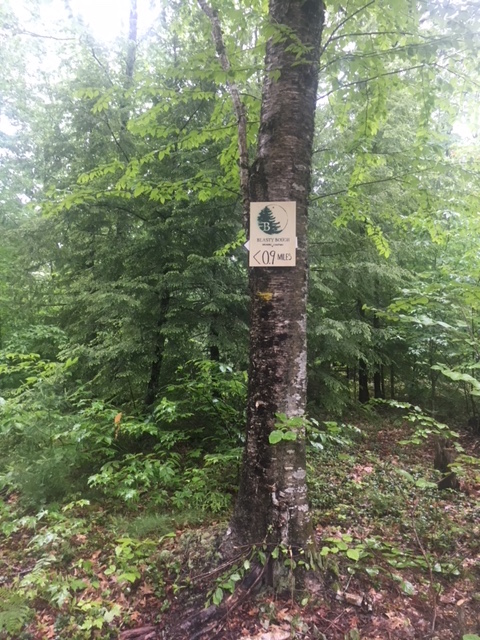
Nature Trail Directions: From our Getaway Boston Outpost entrance, head up Mountain Road, turn left at the fork onto Tarleton Road past the town forest parking. Turn left at the sign for the Neville Peak Scout Trail. In about 100 yards, turn left at the next Neville Peak sign and continue on that trail, until you stumble upon a T intersection, where you’ll see a sign for the brewery. From there, follow the Blasty markers and arrows right to the brewery door, and enjoy.
We all could benefit from bringing more balance into our lives. Our busy work and social calendars can burn us out and tire us out easily. That’s why we’re bringing you a series of recommendations for the best places to find disconnection and balance.
We still believe leaving the city is the best way to recharge, but that’s not always possible, so it’s important to find sanctuaries even in the middle of our cities.
Here are some of our recommendations for our favorite places to find restoration in Boston.
For Meditation
If you’re looking to practice your deep-breathing and meditative skills, sign up for a class at Mindful Boston. The meditation center offers everything from beginner classes to professional training. If you’re new to the practice and just want to try it out, check out their free weekly community nights.
For Greenery
We all need to spend time outside. Large parks and gardens are there for when we can’t go all the way to a state park, and the Boston Public Gardens is the perfect spot. Find a moment of solitude by taking a nap under a tree or watching ducks play in the pond.
For Walking
If you’re looking to take a solo walk, consider taking a trip to the Arnold Arboretum in Jamaica Plain. There are miles of trails to follow and plenty of beautiful plants and trees to stop and admire.
For Yoga
If you prefer to disconnect through mindful exercise, check out Down Under Yoga. The local studio boasts a large group of skilled yoga teachers and aims to “help people and communities realize the best version of themselves.”
These are all great practices to build balance back into your routine. Sometimes, though, nothing beats a quick and simple escape from the city.
Looking for a blend of classic and modern for your road trip to Getaway? On her recent Artist Fellowship at Getaway Blake Brook, Claire Gohst of indie rock project Paper Citizen put together her ideal escape playlist.
With a mix of classic hits and new indie rock tracks, Claire’s playlist is a great listen for a pleasant, upbeat drive to our Outposts. Listen along for some tunes from the Beatles, George Ezra, and Paper Citizen herself.
In our hyper-connected world where anyone can be reached anytime by email, text, social media, and a dizzying array of messaging apps, it can seem impossible to escape from work and social “obligations”. Living such a frenetic digital existence, one can’t be blamed for feeling pressure to always be active and productive. No one wants to be seen as lazy. But is that really such a bad thing?
Being bored and giving yourself time to be with your thoughts can have profound positive effects. A little bit of boredom can promote creativity and give you time to collect your thoughts, helping you resolve big life issues. It can act as a motivator, pushing you to find creative ways to not be bored or to recognize thought patterns that may be unhealthy.
Being bored and giving yourself time to be with your thoughts can have profound positive effects.
In a work environment where your attention is constantly being pulled back to tasks at hand, biology prevents self-reflection. No matter how boring and tedious your work may be, your brain constantly switches between its default mode network, where daydreams and internal thoughts come from, and the center-executive network that controls responses to external stimuli. Extend this to your life outside of the office, with the tsunami of texts, emails, and notifications we receive in our always-on culture, and it’s no wonder 18% of US adults experience an anxiety disorder.
It turns out that there is a long history of “laziness” as a positive social force. The French salon culture that greatly influenced the Enlightenment in the 18th century revolved around leisure and political discourse. Today, these gatherings are viewed as having been integral to the cultural and intellectual development of France and Western Europe, and they helped women become less marginalized in France because of their participation in them.
Lafargue believed that the only way workers could achieve independence would be to embrace laziness and reject social pressure to constantly work.
In the 19th century, lazy became a dirty word as the Industrial Revolution and Protestant work ethic took hold of the West, promoting work as salvation and encouraging 16 hours or more of work per day, six days per week. In response to this, critics of industrialism and capitalism, most notably the Marxist Paul Lafargue, called for a right to be lazy as a response to a culture he believed was detrimental to working class people. Unlike the aristocrats and businessmen who could take time for leisure, workers spent their waking hours in factories and tending to their families. Lafargue believed that the only way workers could achieve independence would be to embrace laziness and reject social pressure to constantly work. While Lafargue exclusively focused on laziness as a form of rebellion by workers, his treatise on the importance of laziness echoes modern research on the positive health benefits of boredom and daydreaming.
Of course, not all laziness is alike. A day-long binge of Netflix or video games likely won’t help you unpack difficult life questions, though it may help you unwind after a stressful day of work. But spending time disconnected from the distractions of modern life, be it for a few hours with a stroll through the park, over a weekend camping in the woods, or during a quiet stay at a Getaway Outpost, will give you room to breathe and get the most out of your leisure time. Best of all, you don’t have to feel guilty about doing it.
Nothing feels better than escaping into the worlds of our favorite books – especially this year. We reached out to our friends at BookSparks to hear about the books they’re most looking forward to reading in the coming months, so we an all find some new favorites.
In 1940s Germany, a young girl named Didi escaped her orphanage. In the 1970s, another young girl reads about Didi’s story through an old journal, and how her heroic escape did not turn out the way she had planned. The stories of their lives eventually collide when a grown-up Didi remembers a long-buried secret on Christmas night.
Being stranded on an enemy planet is not what Everson had planned. On his way to retrieve the Tinderbox and overthrow the king, he finds the king’s daughter Allegra, and a spark between the two forms. However, their forbidden love could cause the downfall and destruction of everyone on the planet.
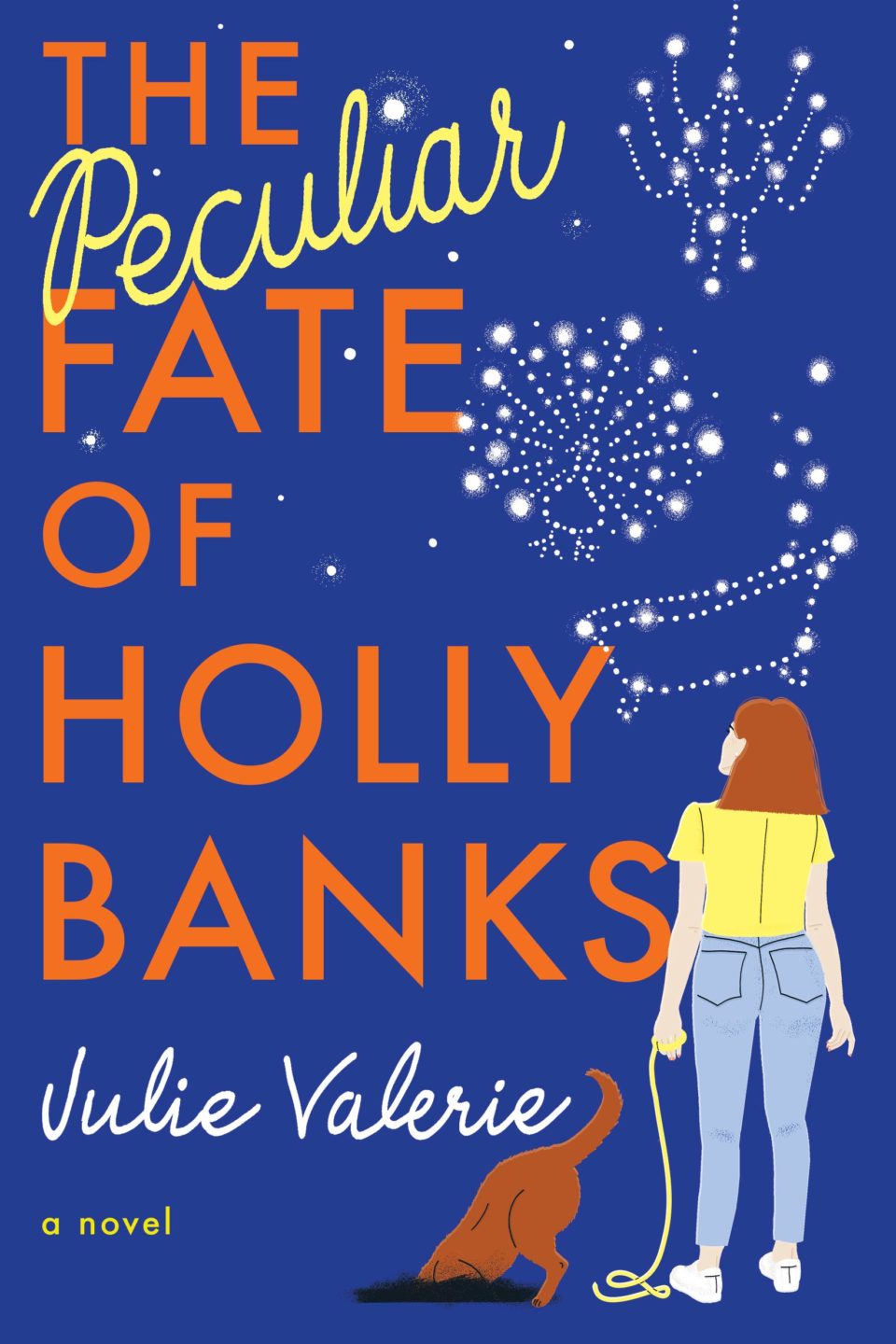
Holly Banks wants to appear as perfect as her put-together neighbors in Primm. This proves difficult due to family problems, and her dog digging of an old artifact that causes national media attention. All the spotlight makes it hard for her to maintain her facade of perfection, but fate will have it otherwise, and change her life and the village of Primm forever.
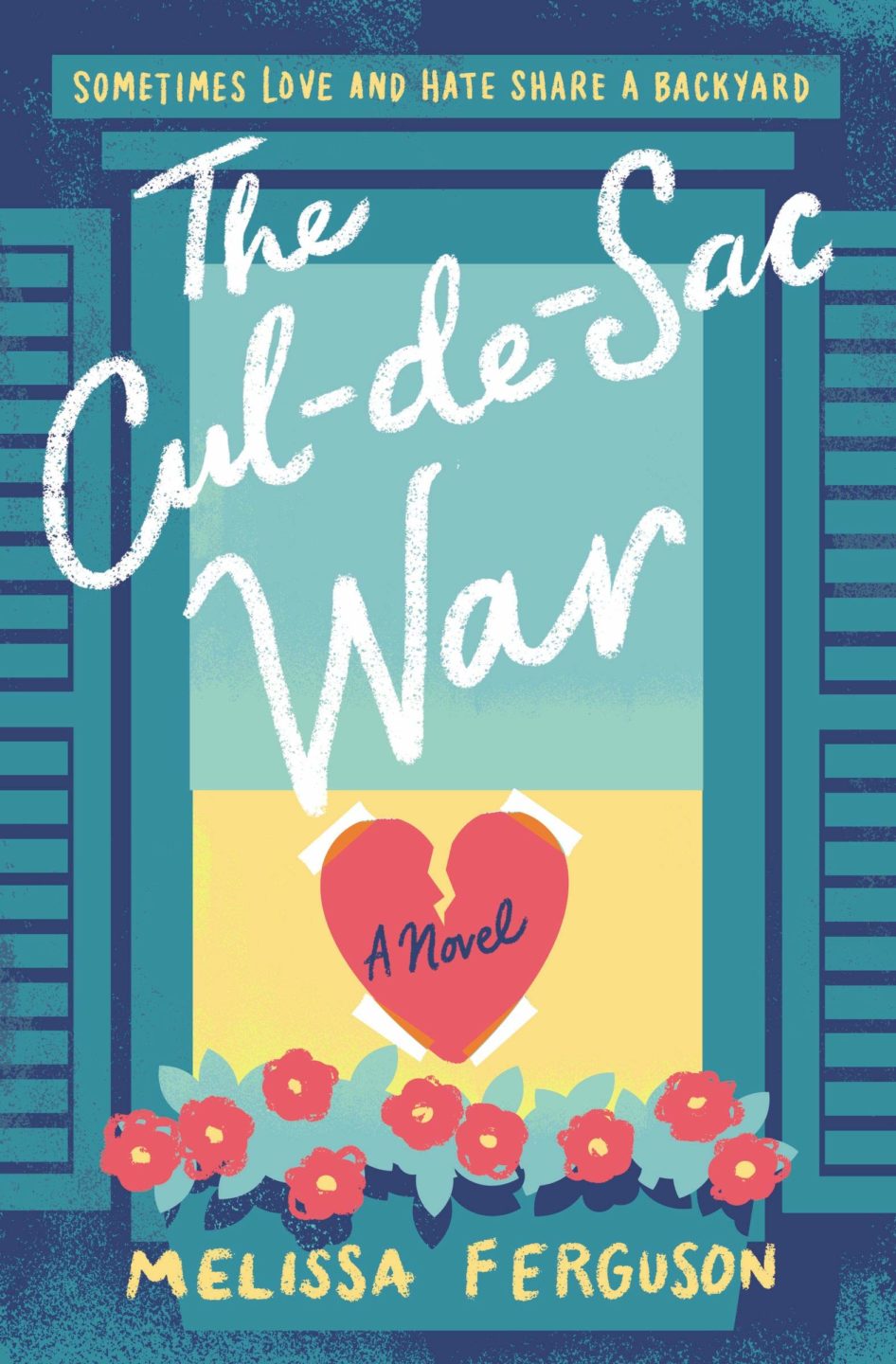
Bree Leake is about to leave her current life behind when her parents present her with a tricky proposition. If Bree can stay in one spot for a year, her parents will give her grandmother’s house; the house she’s always wanted. However, when her stubborn and attractive neighbor Chip McBride begins to drive her crazy, she stages a mission to drive him out of the neighborhood. Soon, their rivalry and prank war turn to romance.
Henri Haltiwanger is the popular kid at school with exceptional debate skills, a yearning to attend Columbia University, and a sharp tongue that can just about charm anyone. That is, except for his socially awkward classmate, Corinne Troy, who recently discovered that he operates a shady dog walking business. In exchange for keeping his secret, Corinne asks Troy to help her change her image at school. What started as a mutual agreement soon becomes more than they bargained for.
After a heartrending tragedy, Claire lost all that was important to her, leaving her with fractioned memories and a traumatic past. She’s able to survive each day with confidence thanks to the help of her father and friends in her small Alaskan town. Claire is forced to relive her past when the mother who abandoned her and her ex-boyfriend resurfaces. This twist of fate is a chance for Claire to learn forgiveness and to finally move on and past her memories.
Even in a diverse art school, sixteen-year-old artist and poet Amal Shahid is seen as unmotivated and disruptive. Things only manage to get worse when one night an altercation in a gentrified neighborhood with some white boys ends up in tragedy. Suddenly, Amal’s world is turned upside down as he is convicted and sent to prison for a crime he did not commit. Rage and desperation almost sink him, but he soon finds refuge in his art, his poetry.
In the origin story of Black Canary, Dinah Lance is in a near-future world where women are stripped of their rights, such as working, singing, and learning. When she was eight, Dinah first heard a woman sing. Now at age seventeen, she must avoid death while she uses her song to save women in Gotham.
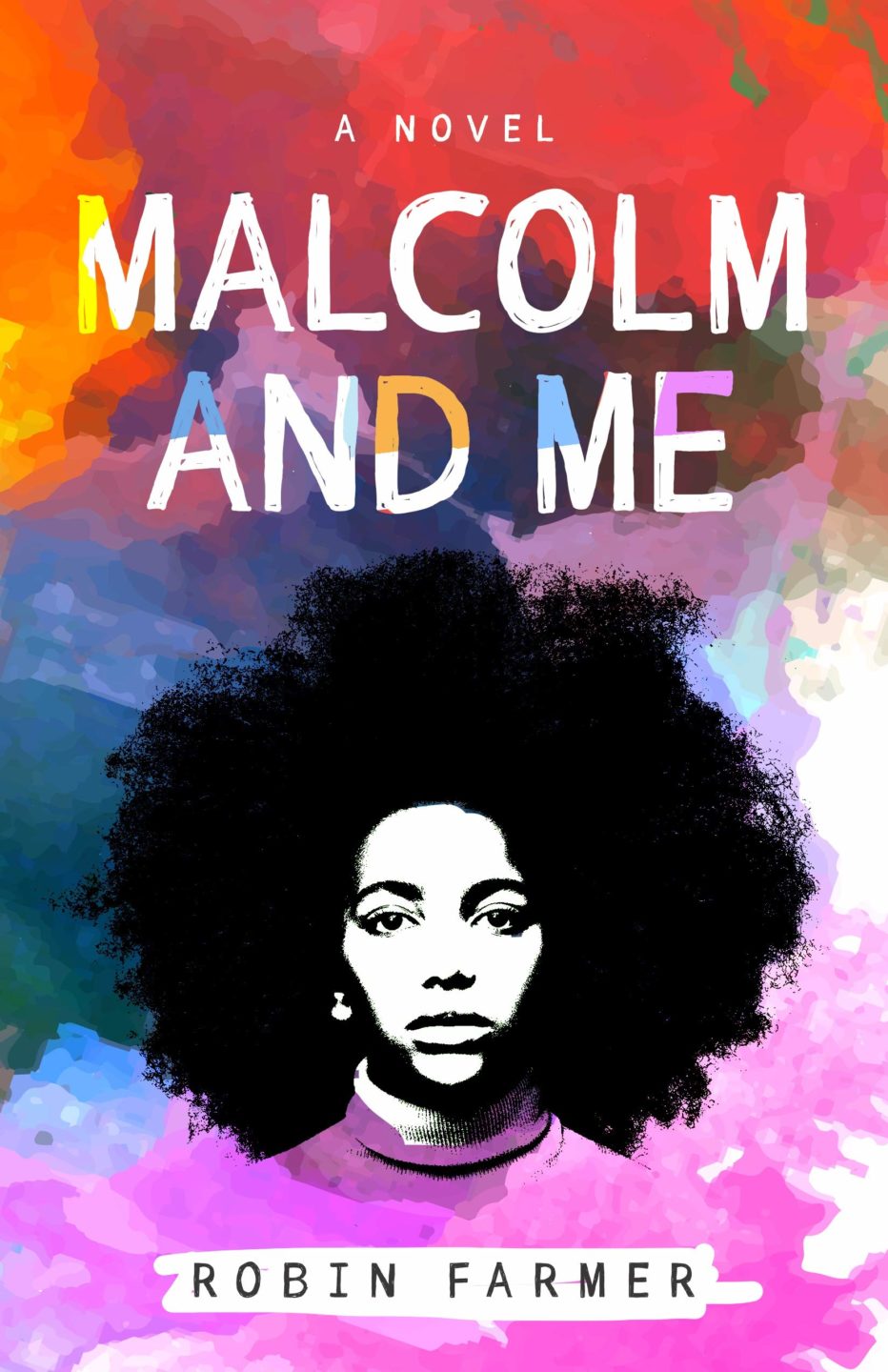
Roberta Forest is a bright and rebellious Black thirteen-year-old living in Philadelphia at the height of the Watergate scandal. After a nun at her school makes a racist remark after Roberta criticizes Jefferson for being a slaveholder, she spirals into doubt about her religion and the adults in her life. Roberta copes with life’s difficulties and her parent’s struggling marriage through her poetry, writing, and The Autobiography of Malcolm X. When disappointment with her ineligibility in her school’s essay contest puts Roberta into an enraged confrontation with her mother, family secrets are revealed.
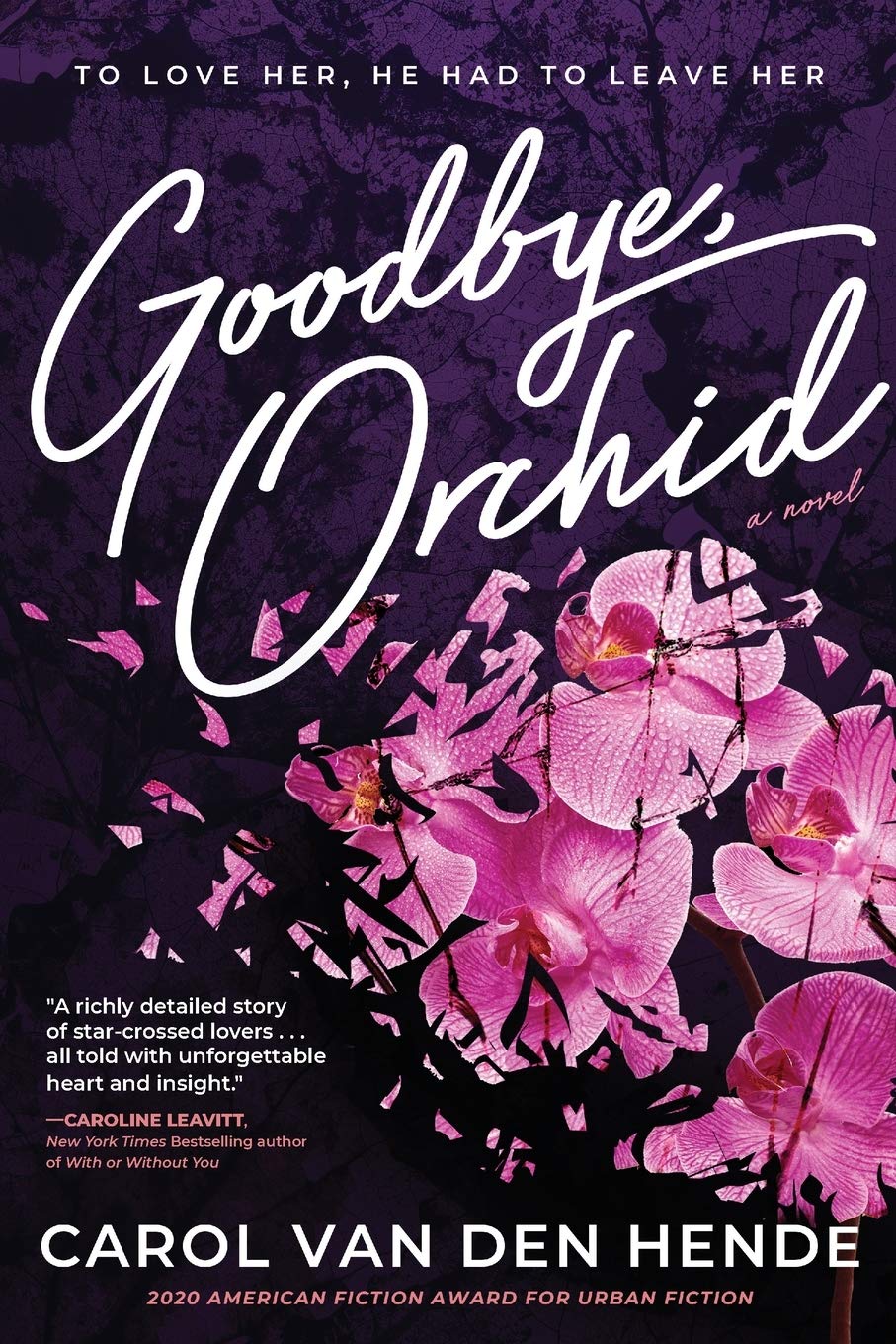
Phoenix Walker is struggling to maintain a balance between his love for Orchid Paige, and his professional relationship with her. Matters only become more complicated when an accident changes his life forever. Now the benevolent hero faces the decision of leaving his true love behind and without explanation.
Ready to curl up in nature with a new book? Book your Getaway today.